


Pancreatitis in dogs
The right diet for dogs with pancreatic disease
The pancreas in dogs is very susceptible to inflammation and other diseases. Inflammation is accompanied by severe pain and can occur acutely or take on a chronic course. In any case, you should take your dog to the vet if you notice symptoms of pancreatitis in your dog. In addition, a special diet is necessary to help your dog restore and, above all, maintain its health
Symptoms: How do pancreatic problems manifest themselves in dogs?
In the early stages, pancreatitis causes symptoms similar to those of a normal gastrointestinal infection. Your dog will be a little more tired than usual and may vomit from time to time. In some cases, your dog may also refuse to eat. Diarrhoea may also occur during the course of the illness. However, pancreatitis is much more dangerous for your four-legged friend than a harmless gastrointestinal infection. This is primarily due to the fact that a healthy pancreas fulfils two vital functions in dogs.Firstly, insulin is produced in the pancreas and secondly, the enzymes necessary for protein, fat and carbohydrate digestion are also produced there. If your dog suffers from acute pancreatitis with a mild course, there is a good chance that your pet's health can be 100% restored if treatment is started early. If pancreatitis is not recognised or only recognised very late and therefore continues to progress, it can lead to organ damage and, in the worst case, even to the death of the animal
Chronic pancreatitis in dogs
In healthy dogs, the pancreas ensures that the digestive enzymes for protein, fat and carbohydrate digestion are channelled into the intestine, where they begin to break down the food. In pancreatitis, an error occurs whereby the enzymes do not begin to break down the food with high aggressiveness in the intestine, but already in the dog's pancreas. As a result, the glandular tissue decomposes bit by bit. In the next instance, the surrounding organs are also attacked and slowly decomposed bit by bit.For this reason, it is particularly important that it is recognised in good time - because once the tissue has been destroyed, this cannot be reversed and chronic pancreatitis develops, which your dog will not be able to get rid of. At this stage, only supportive measures that relieve the digestive system and pancreas and the administration of painkillers will help
Treatment of pancreatitis in dogs
If pancreatitis is recognised early, it can usually be treated well. However, hospitalisation in a clinic is not uncommon. Here, your four-legged friend will receive round-the-clock intensive medical care and his state of health will be closely monitored. During this time, your dog will receive infusion therapy for at least 24 hours to compensate for the high fluid loss caused by the severe diarrhoea. The administration of painkillers is also part of the treatment plan. It may also be useful to give the pancreas a break from digestion and not provide the animal with food or water for a certain period of time.Once the worst phase is over, the dog can slowly start eating and drinking again - but make sure that you only feed your pet special food to allow the dog's pancreas to fully recover
The right food for your dog with pancreatitis
To support the recovery process and prevent a relapse, you should feed your dog a particularly low-fat diet for the rest of its life. This will relieve and strengthen both the dog's intestines and pancreasOur recommendations for your four-legged friend:
Selected for You

Adult & Sensitive dog food
Contents: 16.8 kg (€8.69* / 1 kg)

Adult & Sensitive dog food
Contents: 19.2 kg (€8.70* / 1 kg)

Adult dog food
Contents: 7.2 kg (€8.60* / 1 kg)

Adult dog food
Contents: 14.4 kg (€7.19* / 1 kg)

Junior dog food
Contents: 7.2 kg (€8.30* / 1 kg)

Sensitive dog food
Contents: 9.6 kg (€8.75* / 1 kg)

Sensitive dog food
Contents: 19.2 kg (€7.72* / 1 kg)

Sensitive dog food
Contents: 4.8 kg (€8.74* / 1 kg)
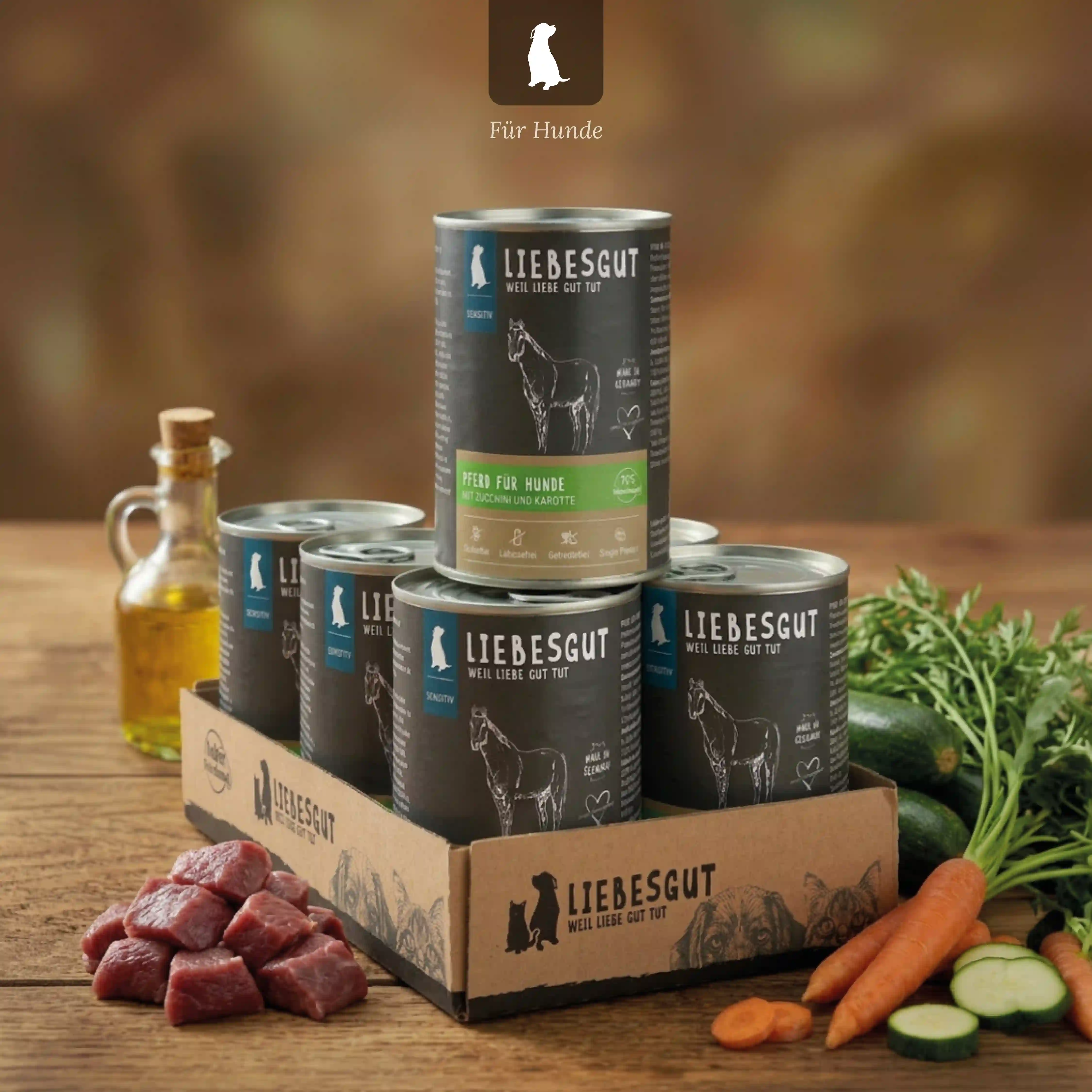
Sensitive dog food
Contents: 2.4 kg (€9.73* / 1 kg)
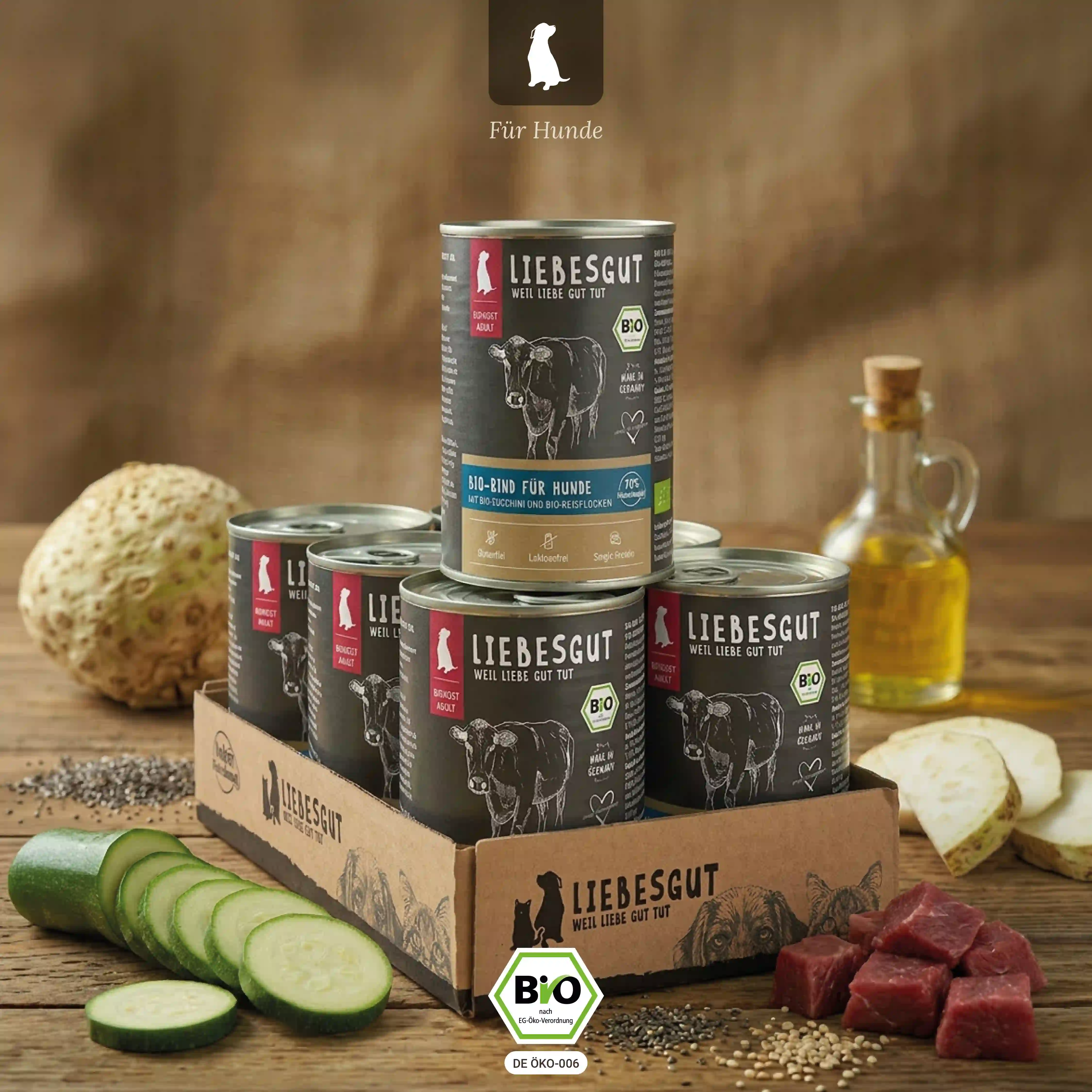
Organic dog food Adult
Contents: 2.4 kg (€9.48* / 1 kg)

Organic dog food junior
Contents: 4.8 kg (€7.86* / 1 kg)
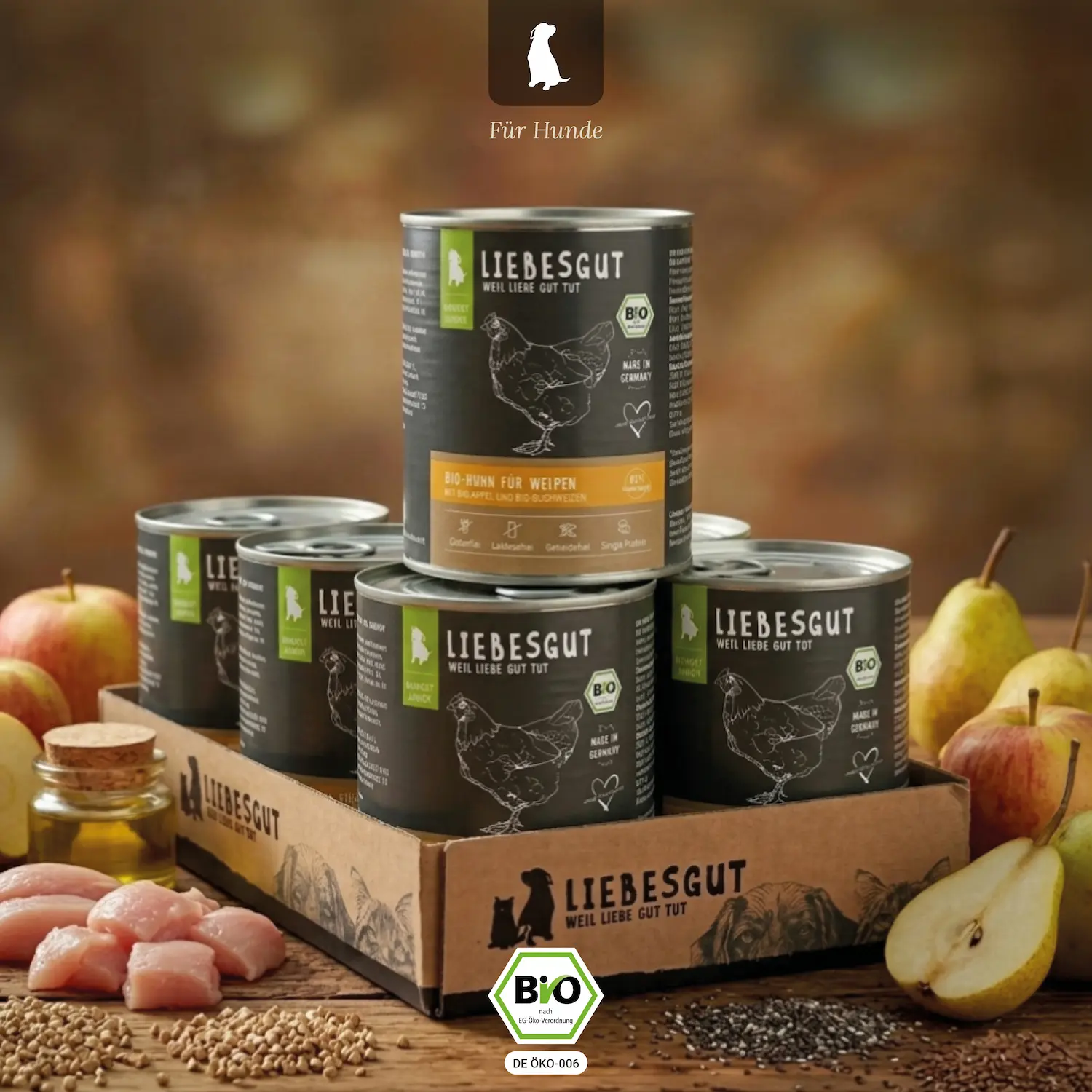
Organic dog food junior
Contents: 4.8 kg (€7.61* / 1 kg)
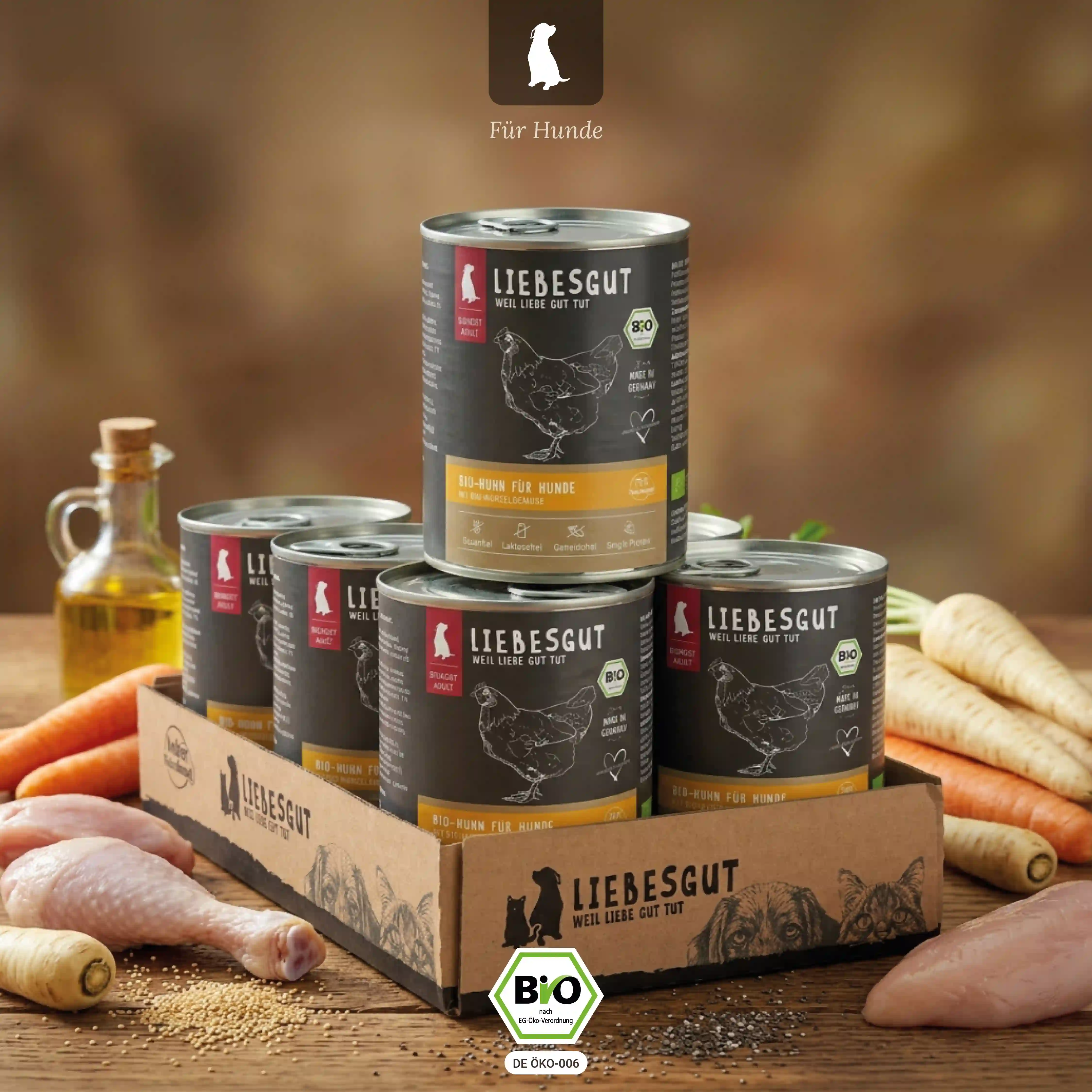
Organic dog food Adult
Contents: 4.8 kg (€7.61* / 1 kg)
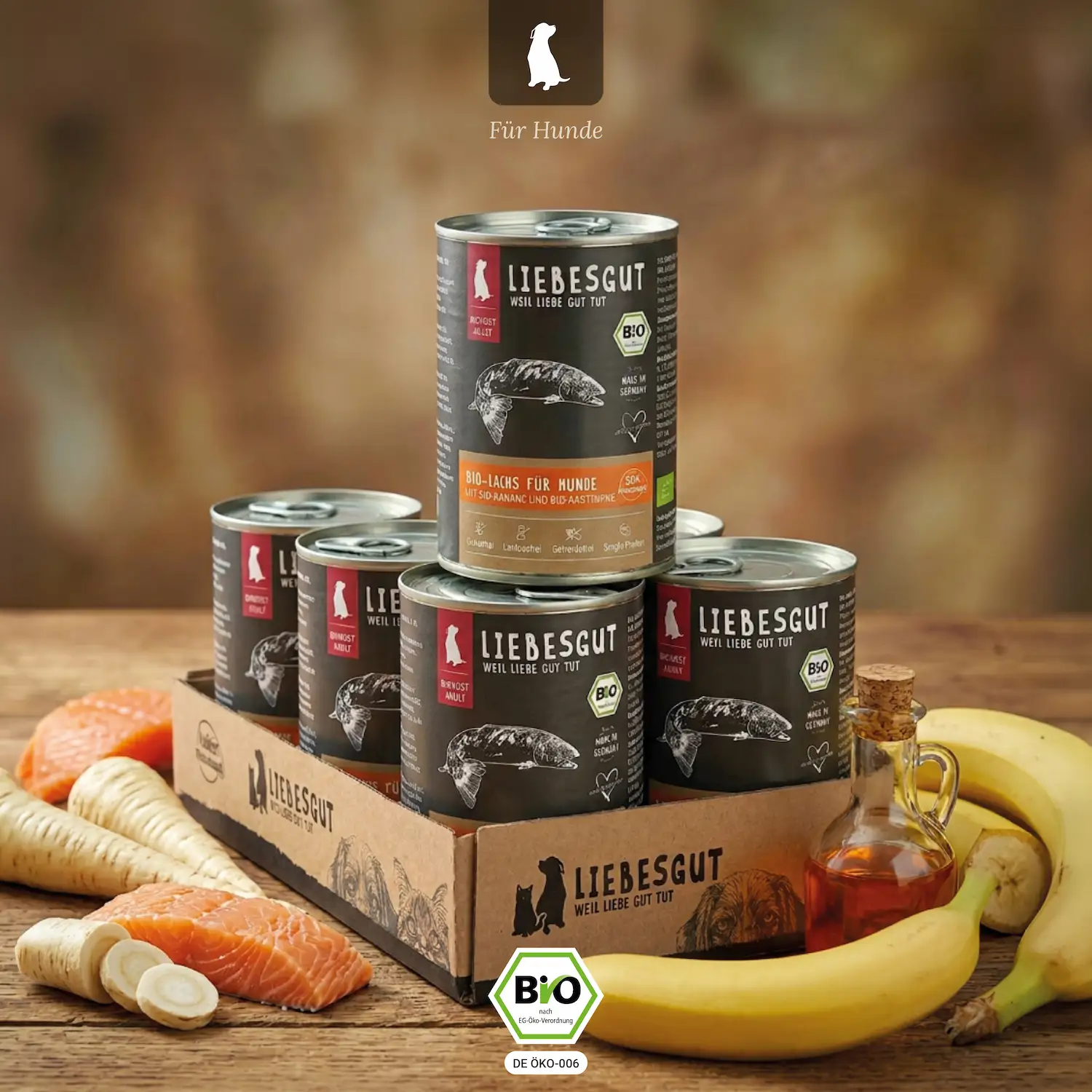
Organic dog food Adult
Contents: 2.4 kg (€9.73* / 1 kg)

Organic dog food junior
Contents: 4.8 kg (€7.49* / 1 kg)
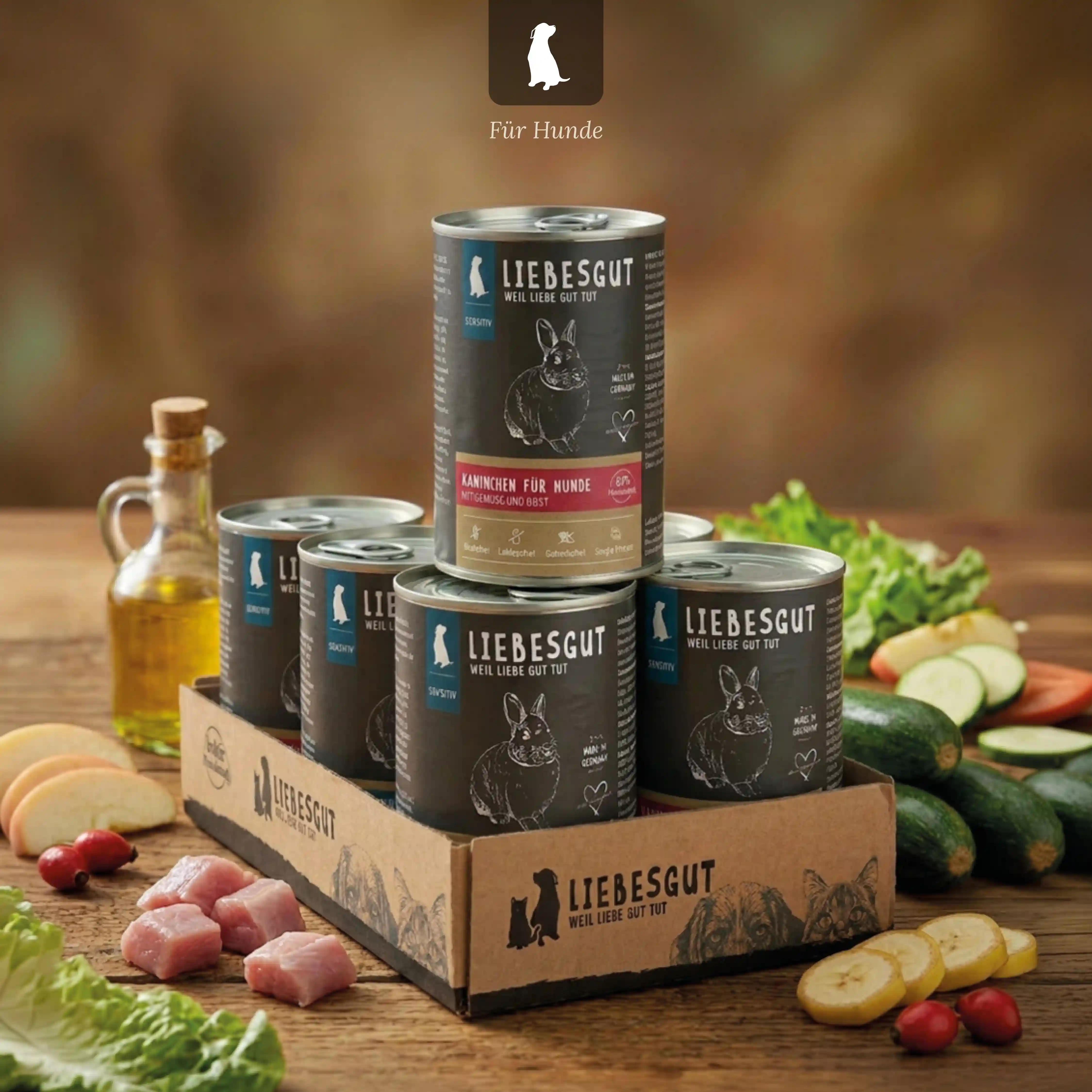
Sensitive dog food
Contents: 2.4 kg (€9.73* / 1 kg)
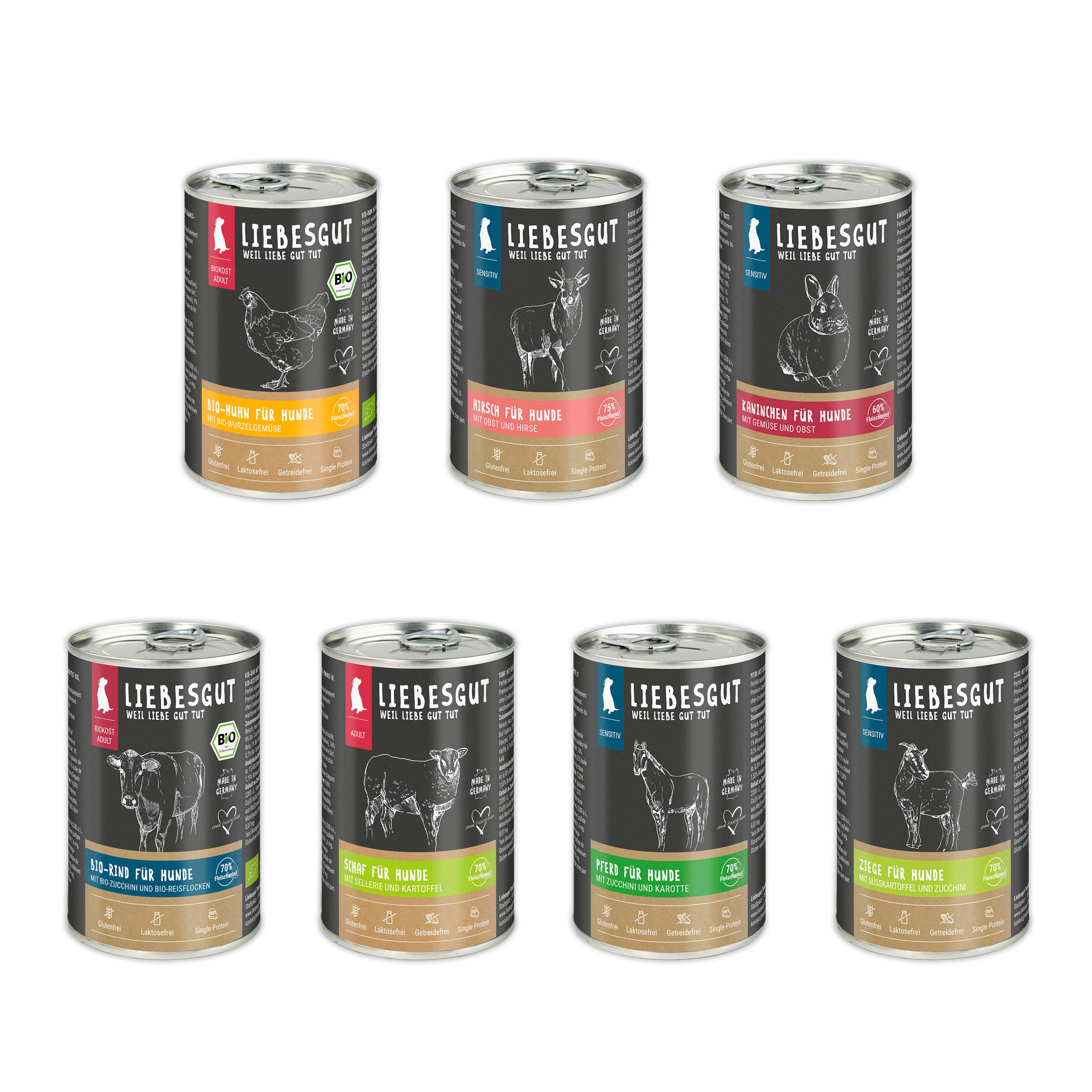
Adult & Sensitive dog food
Contents: 5.6 kg (€9.17* / 1 kg)

Adult & Sensitive dog food
Contents: 11.2 kg (€7.91* / 1 kg)

Adult dog food
Contents: 2.4 kg (€9.08* / 1 kg)

Adult dog food
Contents: 4.8 kg (€7.59* / 1 kg)
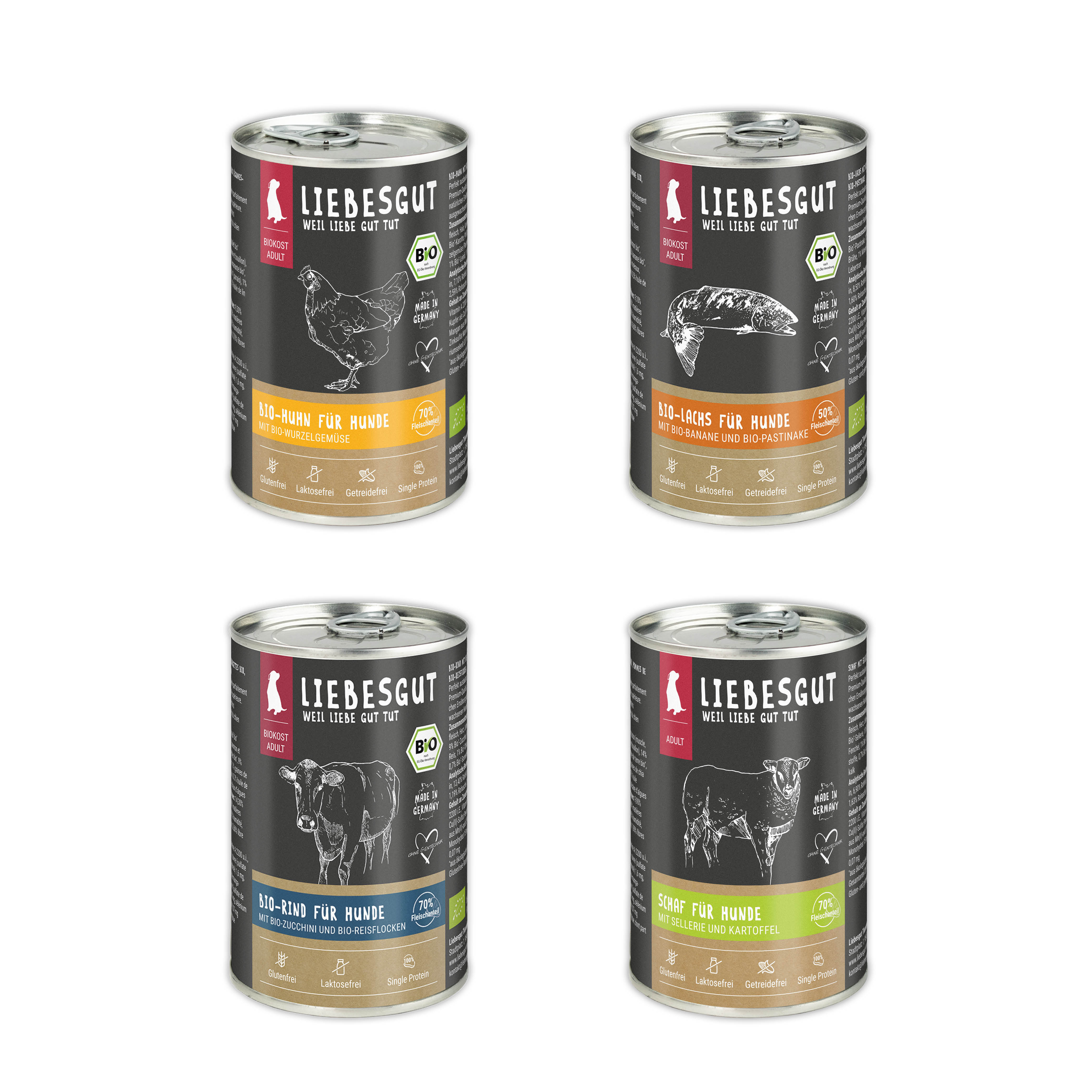
Adult dog food
Contents: 3.2 kg (€9.12* / 1 kg)

Junior dog food
Contents: 2.4 kg (€8.76* / 1 kg)

Sensitive dog food
Contents: 3.2 kg (€9.24* / 1 kg)

Sensitive dog food
Contents: 6.4 kg (€8.15* / 1 kg)

Adult dog food
Contents: 2.4 kg (€9.98* / 1 kg)
Frequently asked questions about pancreatitis
What diseases of the pancreas occur in dogs?
There are three main diseases that affect the pancreas in dogs. In addition to pancreatitis, your dog can also suffer from diabetes mellitus or exocrine pancreatic insufficiency (EPI for short).
What causes pancreatitis in dogs?
The causes of pancreatitis are still not fully understood. However, it is very obvious that the likelihood of inflammation increases if your dog eats very high-fat meals. Furthermore, there are some breeds, such as the Boxer and the Yorkshire Terrier, that have a genetic predisposition to pancreatic problems. Obesity, diabetes and various medications also promote the development of pancreatitis.What to feed dogs with pancreatitis?
A low-fat diet for the rest of the dog's life is absolutely essential to enable a full recovery and prevent a relapse. In chronic or very severe cases, a low-fat diet may not lead to a cure, but it can slow down the progression and improve the animal's quality of life.How is pancreatitis treated in dogs?
Pancreatitis is usually treated in hospital and consists of strict monitoring of the dog's condition, 24-hour infusion therapy and the administration of (sometimes strong) painkillers.Selected for You
Adult & Sensitive dog food
Contents: 16.8 kg (€8.69* / 1 kg)
Adult & Sensitive dog food
Contents: 19.2 kg (€8.70* / 1 kg)
Adult dog food
Contents: 7.2 kg (€8.60* / 1 kg)
Adult dog food
Contents: 14.4 kg (€7.19* / 1 kg)
Junior dog food
Contents: 7.2 kg (€8.30* / 1 kg)
Sensitive dog food
Contents: 9.6 kg (€8.75* / 1 kg)
Sensitive dog food
Contents: 19.2 kg (€7.72* / 1 kg)
Sensitive dog food
Contents: 4.8 kg (€8.74* / 1 kg)
Sensitive dog food
Contents: 2.4 kg (€9.73* / 1 kg)
Organic dog food Adult
Contents: 2.4 kg (€9.48* / 1 kg)
Organic dog food junior
Contents: 4.8 kg (€7.86* / 1 kg)
Organic dog food junior
Contents: 4.8 kg (€7.61* / 1 kg)
Organic dog food Adult
Contents: 4.8 kg (€7.61* / 1 kg)
Organic dog food Adult
Contents: 2.4 kg (€9.73* / 1 kg)
Organic dog food junior
Contents: 4.8 kg (€7.49* / 1 kg)
Sensitive dog food
Contents: 2.4 kg (€9.73* / 1 kg)
Adult & Sensitive dog food
Contents: 5.6 kg (€9.17* / 1 kg)
Adult & Sensitive dog food
Contents: 11.2 kg (€7.91* / 1 kg)
Adult dog food
Contents: 2.4 kg (€9.08* / 1 kg)
Adult dog food
Contents: 4.8 kg (€7.59* / 1 kg)
Adult dog food
Contents: 3.2 kg (€9.12* / 1 kg)
Junior dog food
Contents: 2.4 kg (€8.76* / 1 kg)
Sensitive dog food
Contents: 3.2 kg (€9.24* / 1 kg)
Sensitive dog food
Contents: 6.4 kg (€8.15* / 1 kg)
Adult dog food
Contents: 2.4 kg (€9.98* / 1 kg)