Currently on trend
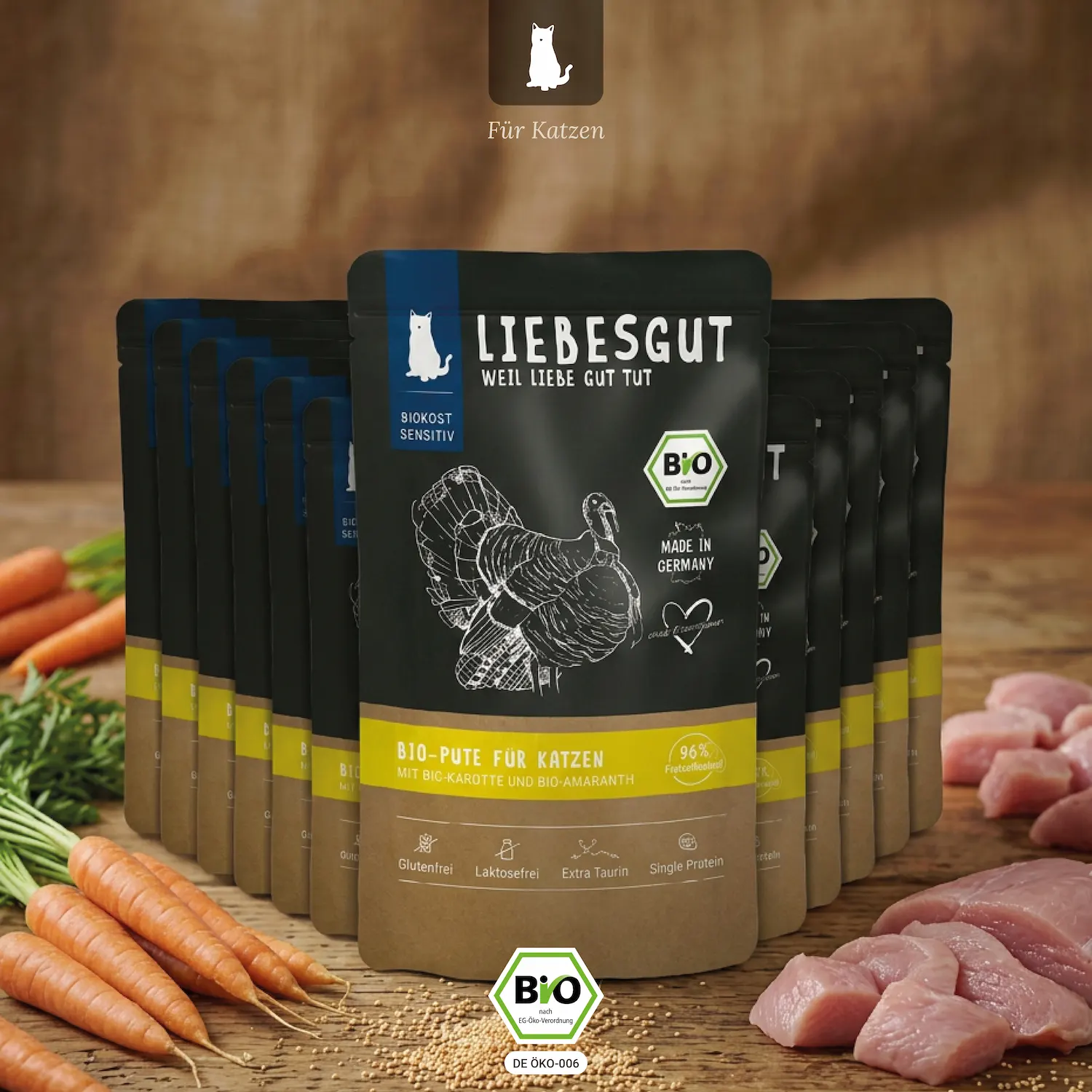
Sensitive organic cat food
Contents: 1.2 kg (€15.91* / 1 kg)
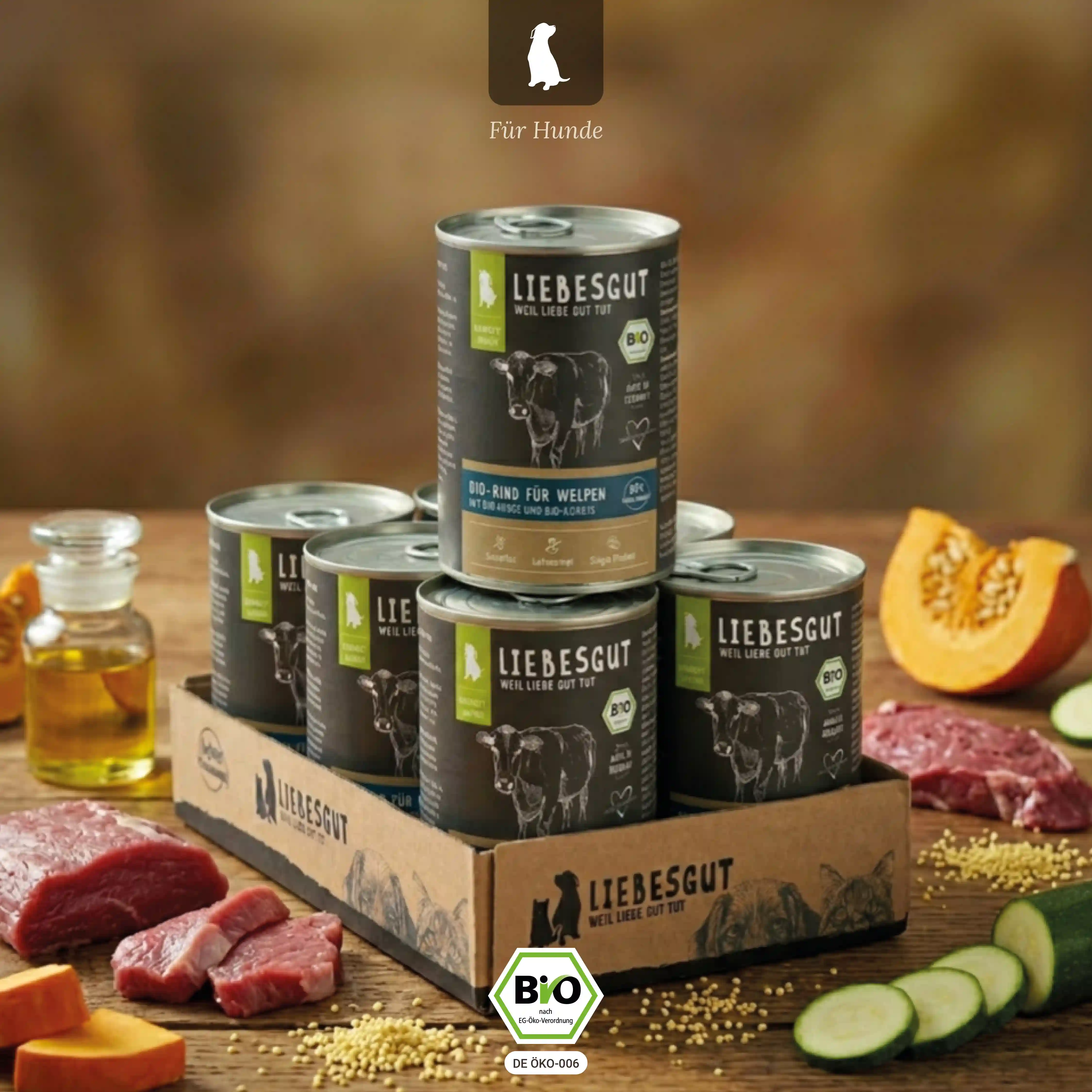
Organic dog food junior
Contents: 2.4 kg (€9.48* / 1 kg)

Bio Snack für Hunde
Contents: 0.15 kg (€40.60* / 1 kg)
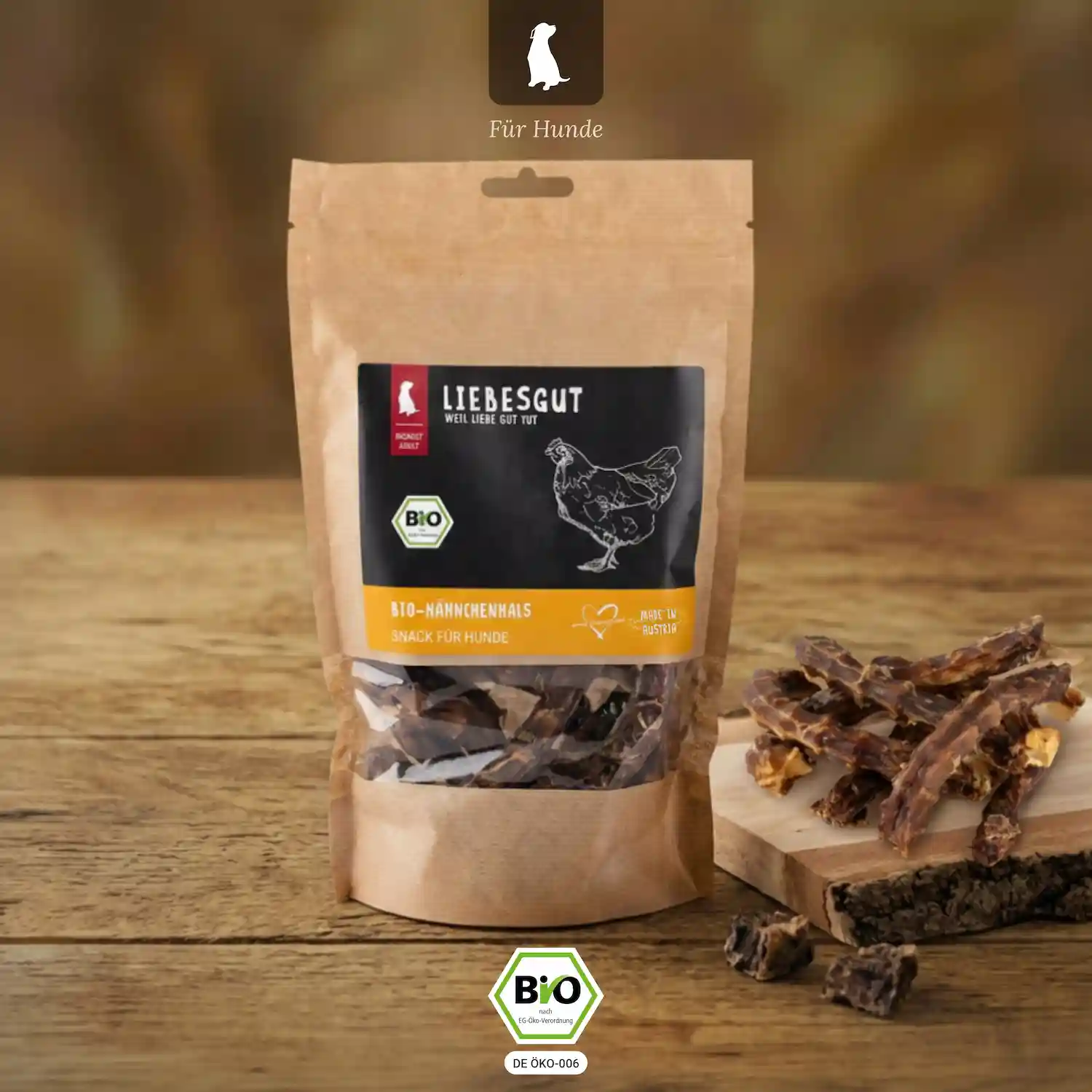
Organic snack for dogs
Contents: 0.1 kg (€39.90* / 1 kg)
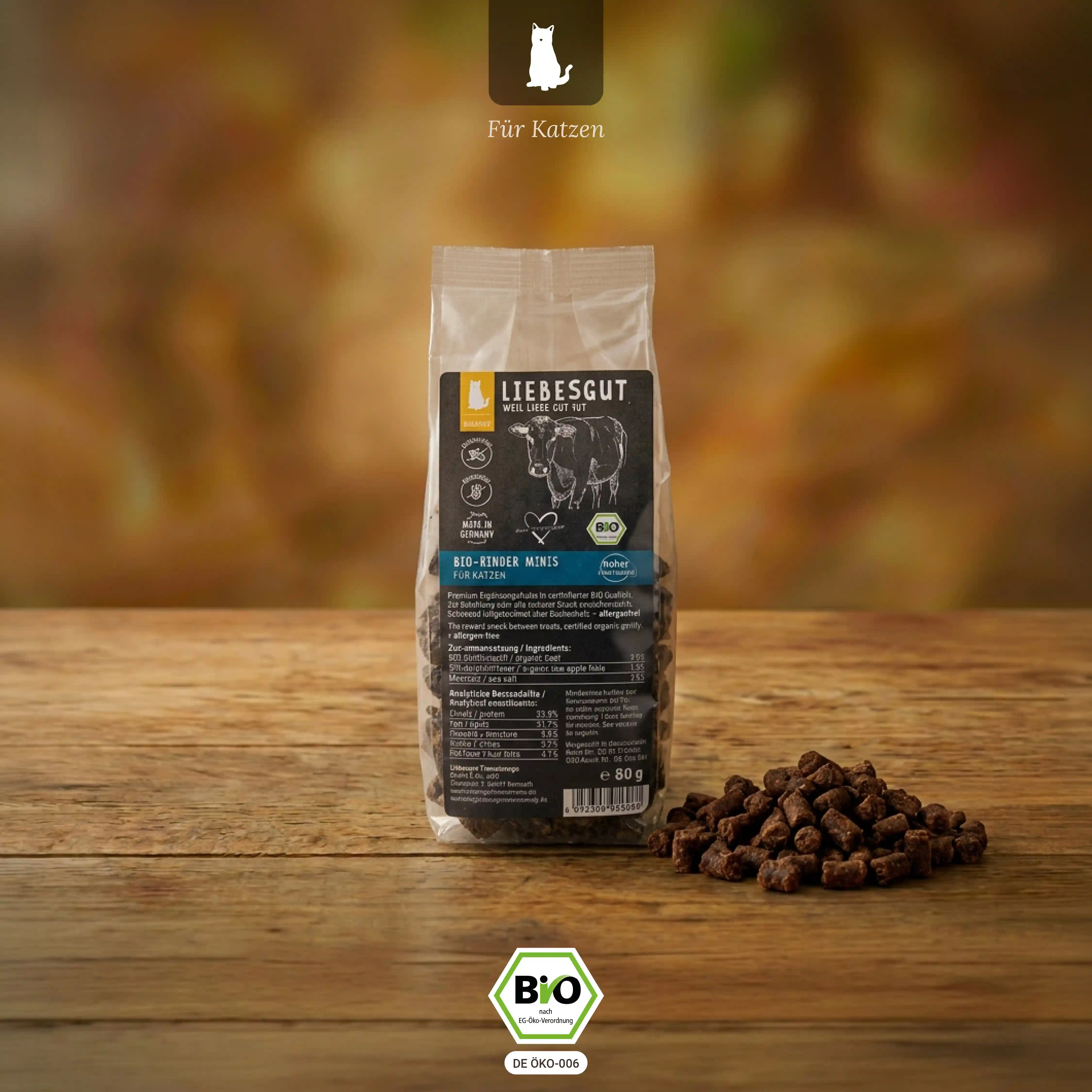
Organic cat treats
Contents: 0.08 kg (€64.88* / 1 kg)
What our customers say

Organic pet food
in premium quality

Free shipping
from € 44 in Germany

Newsletter
Save 10 %

Satisfaction guarantee
Test food without risk

Feed subscription
Automatic deliveries

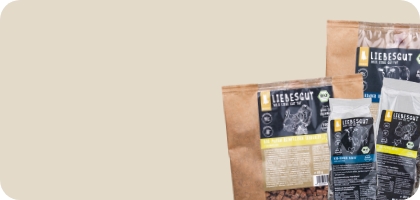
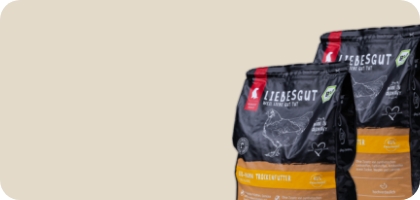

Our range
Contents: 2.4 kg (€8.98* / 1 kg)
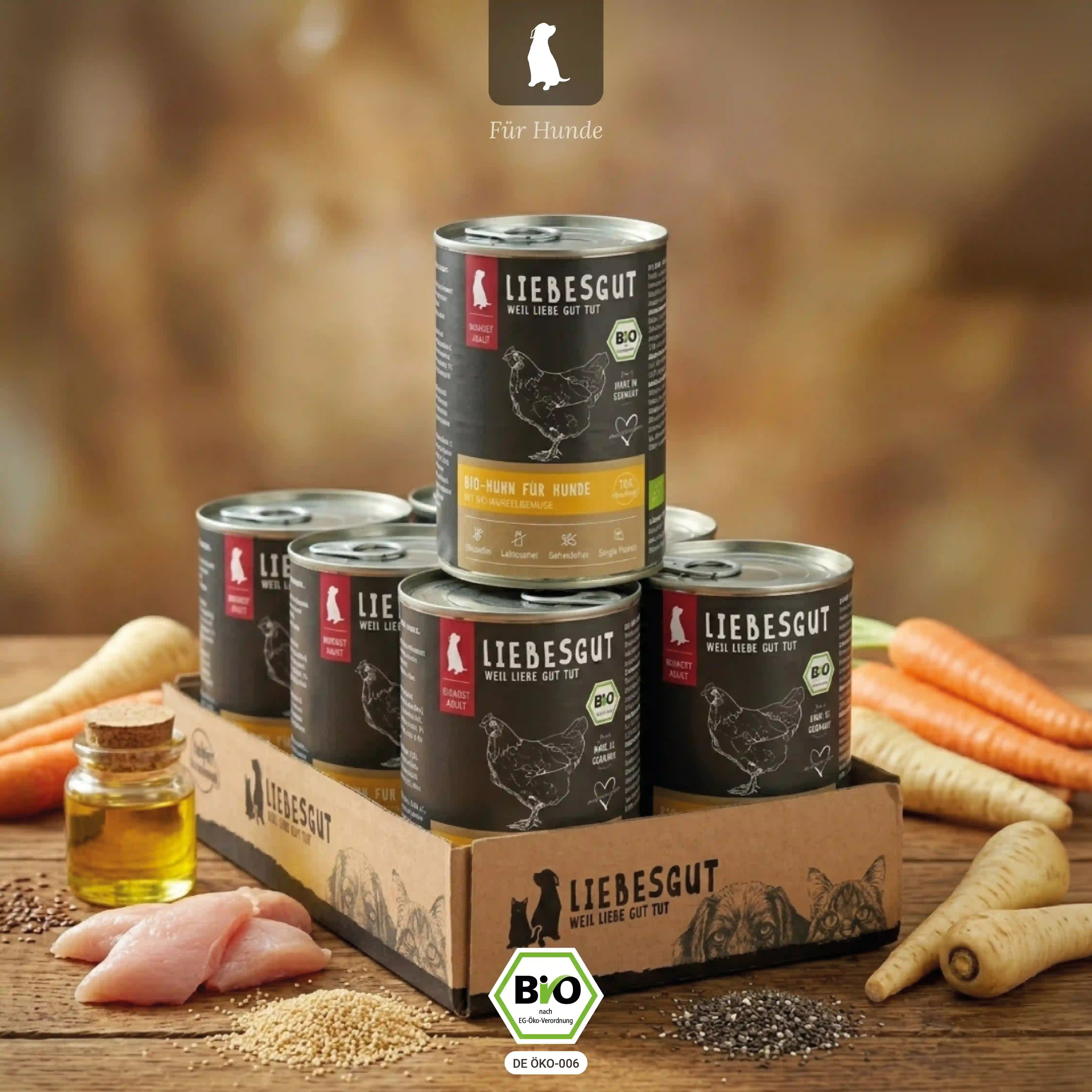
Contents: 2.4 kg (€9.23* / 1 kg)
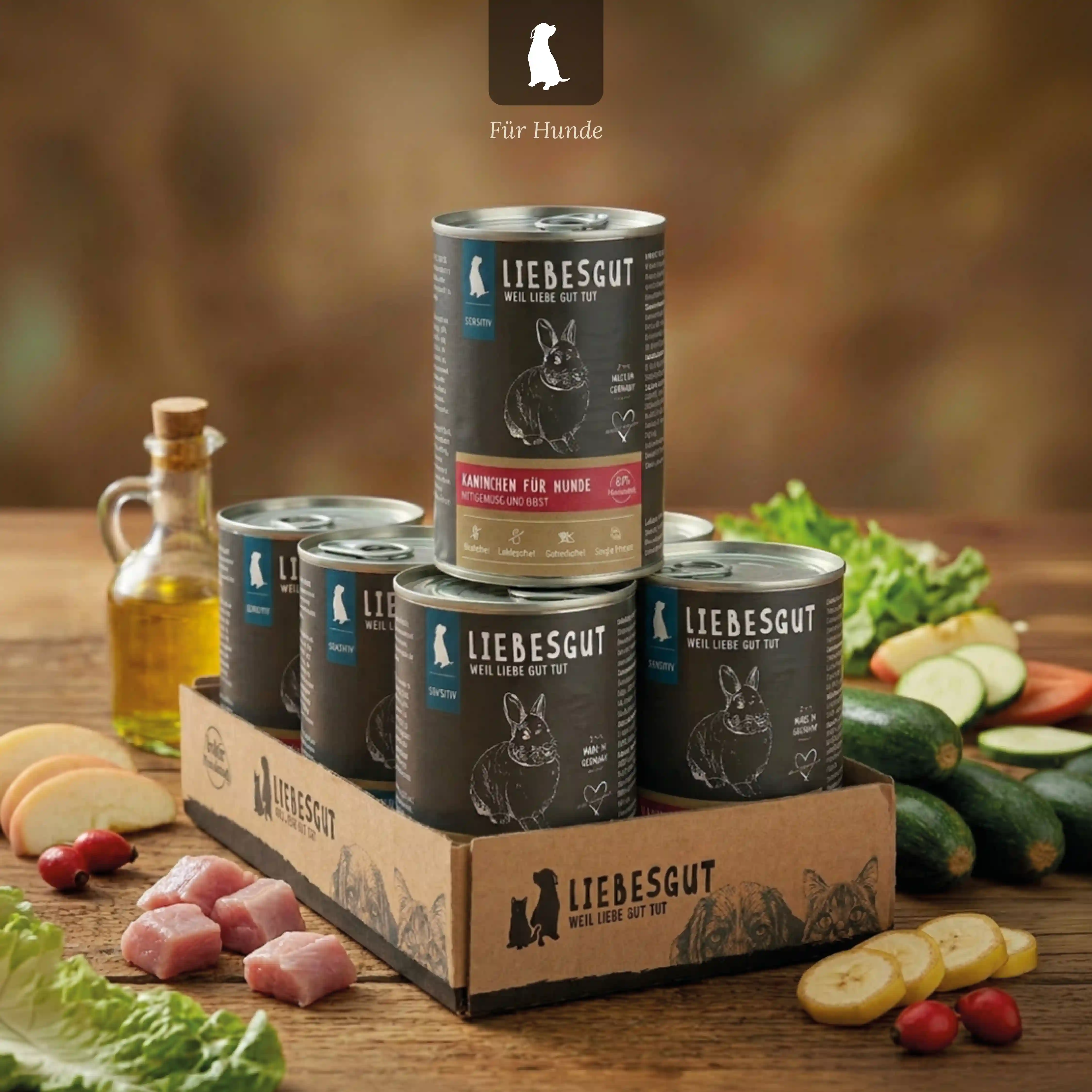
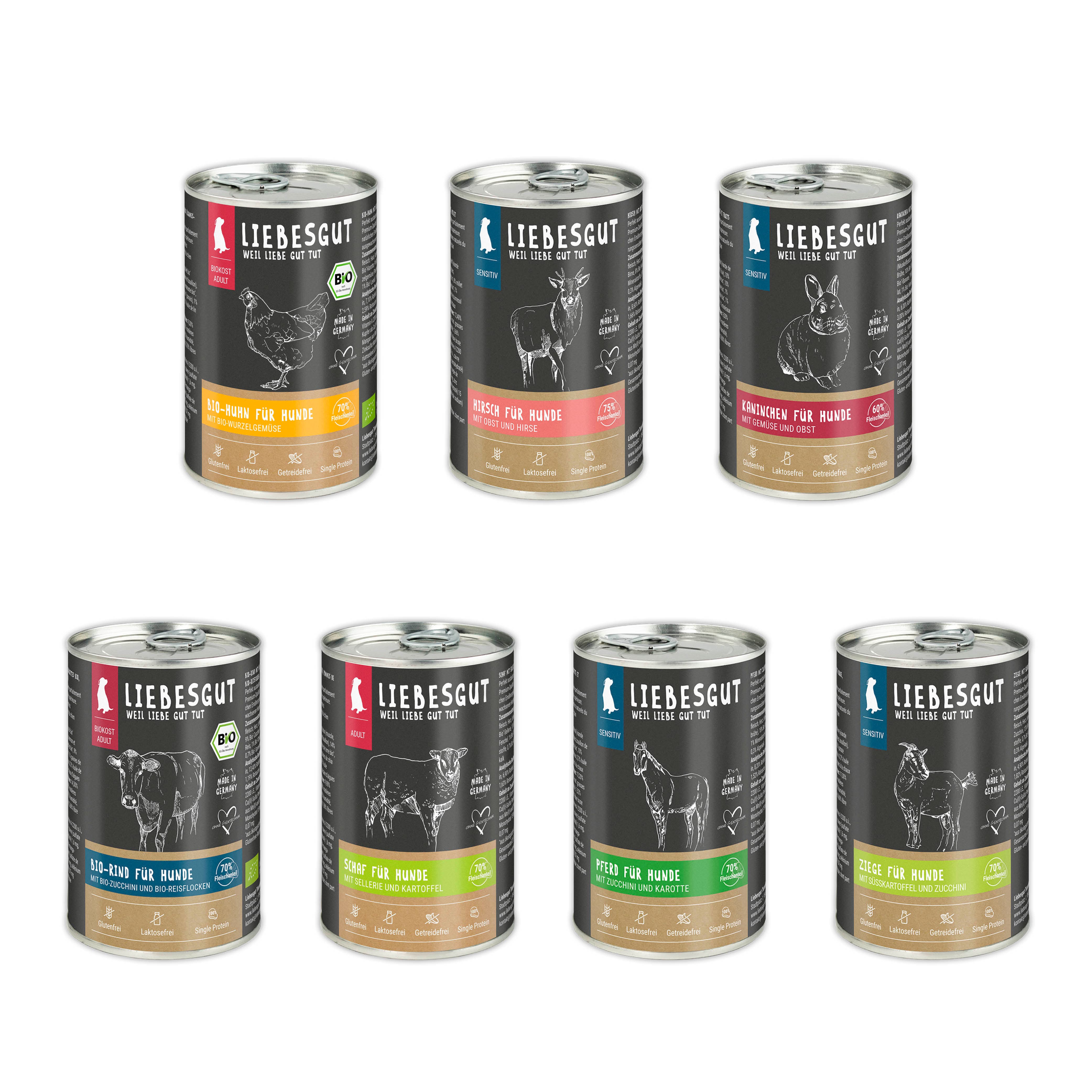
Contents: 5.6 kg (€9.17* / 1 kg)

Contents: 16.8 kg (€8.69* / 1 kg)
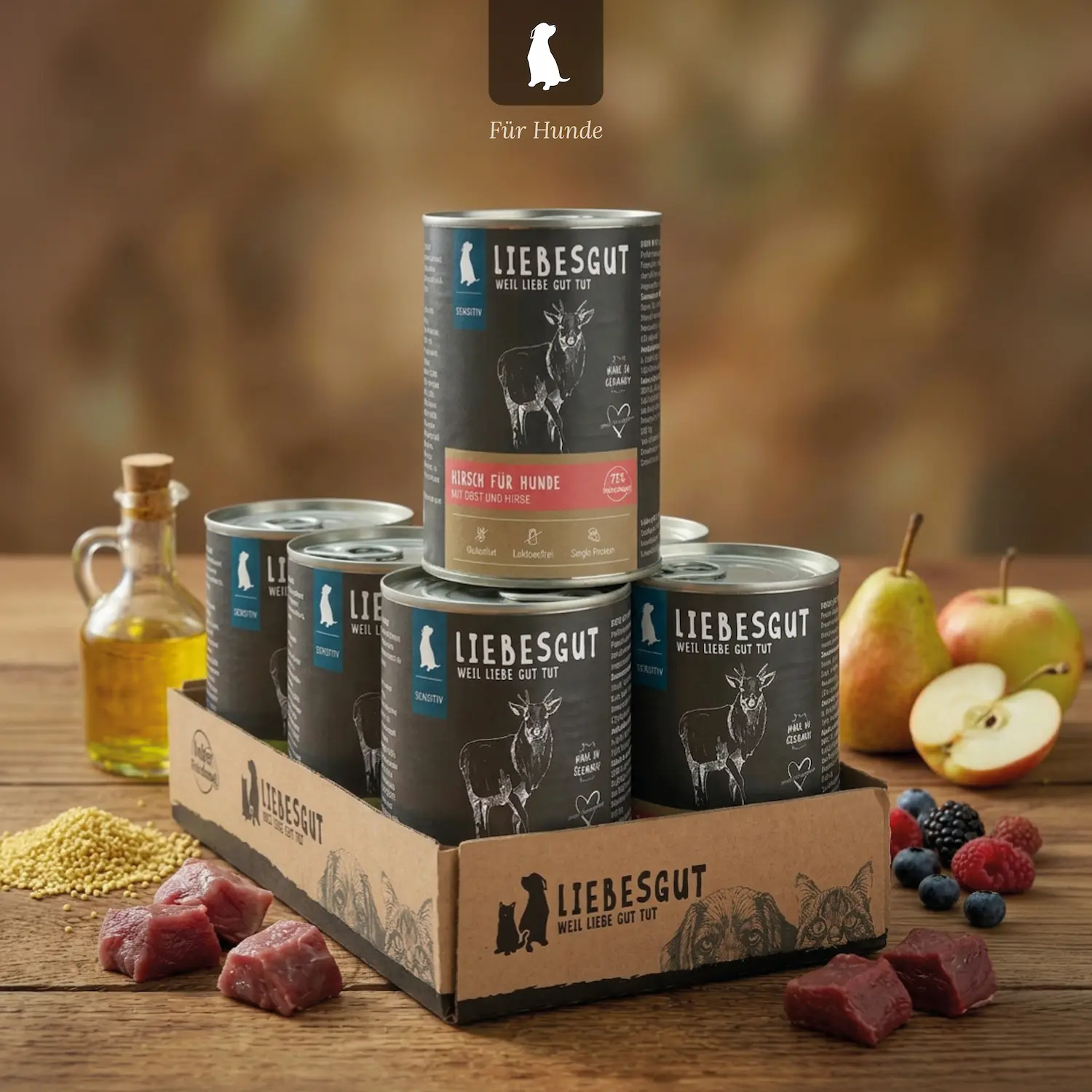
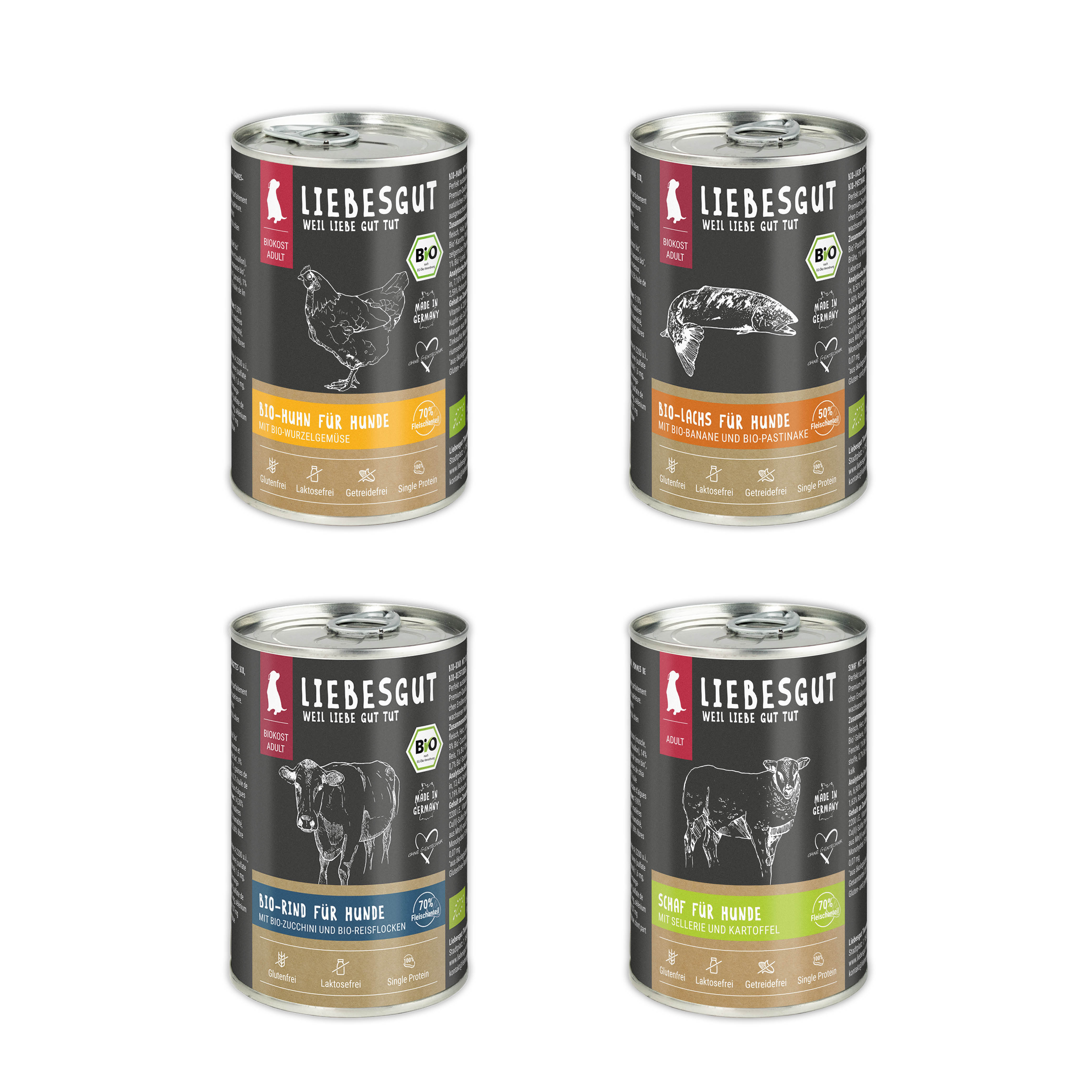
Contents: 3.2 kg (€9.12* / 1 kg)


Contents: 2.4 kg (€8.76* / 1 kg)
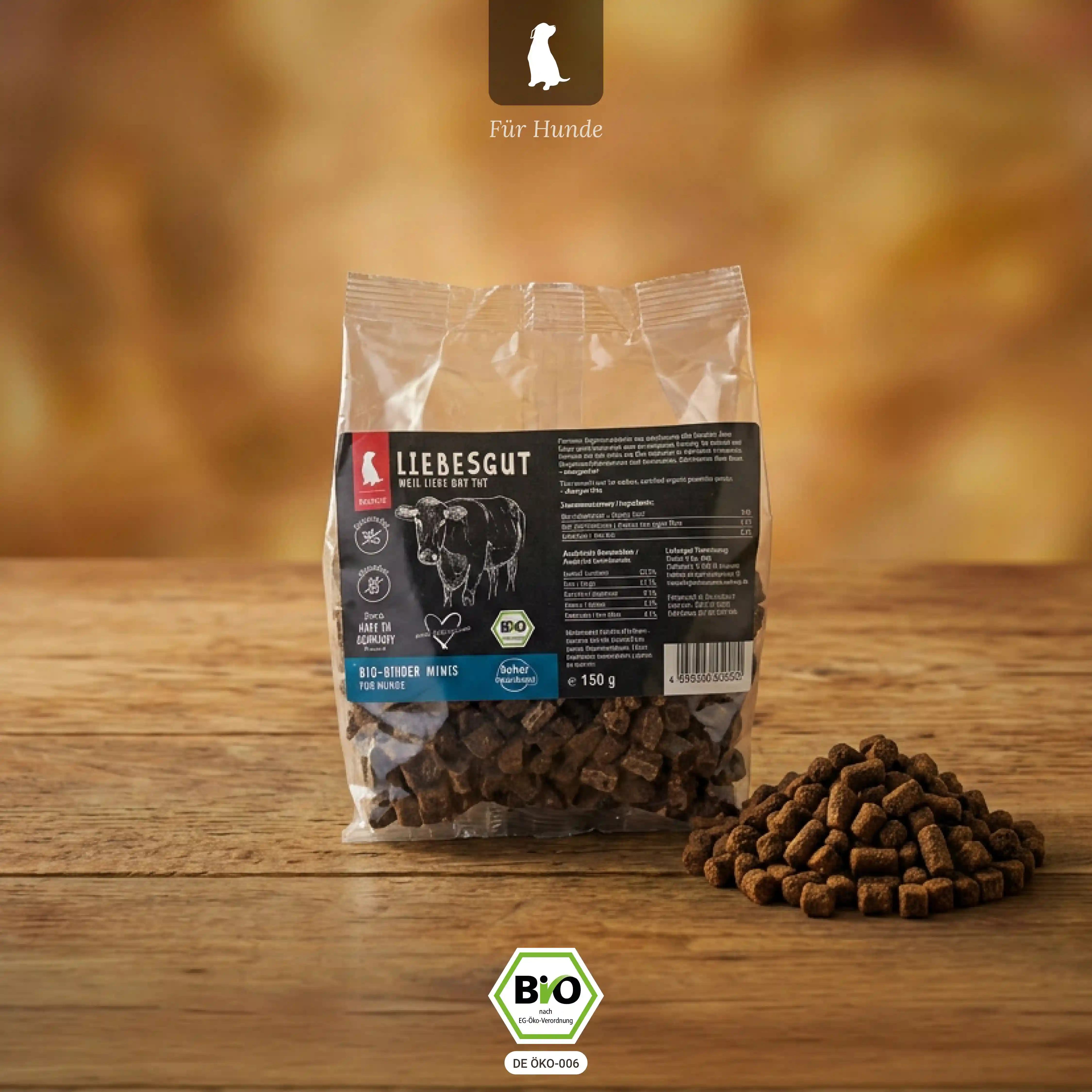
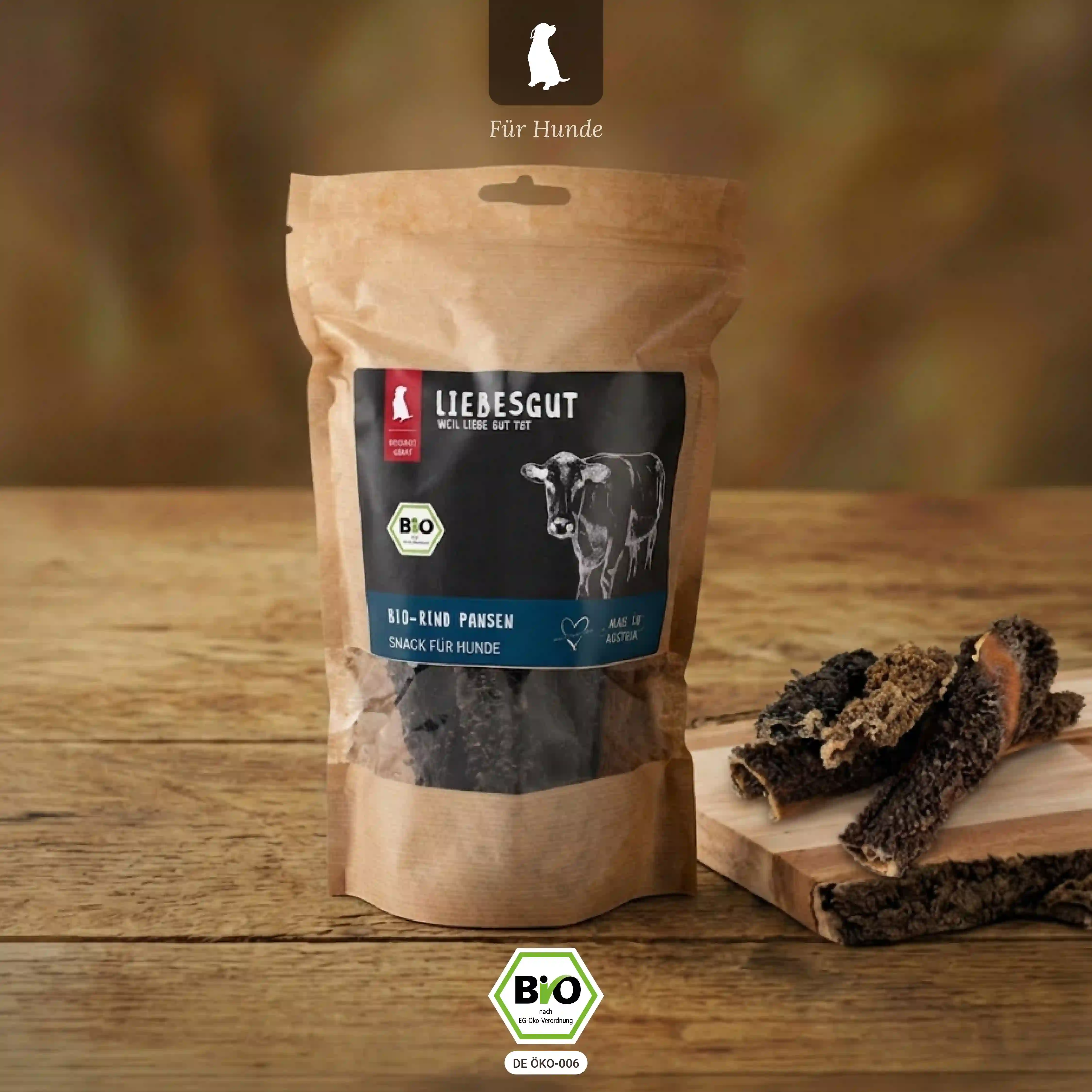
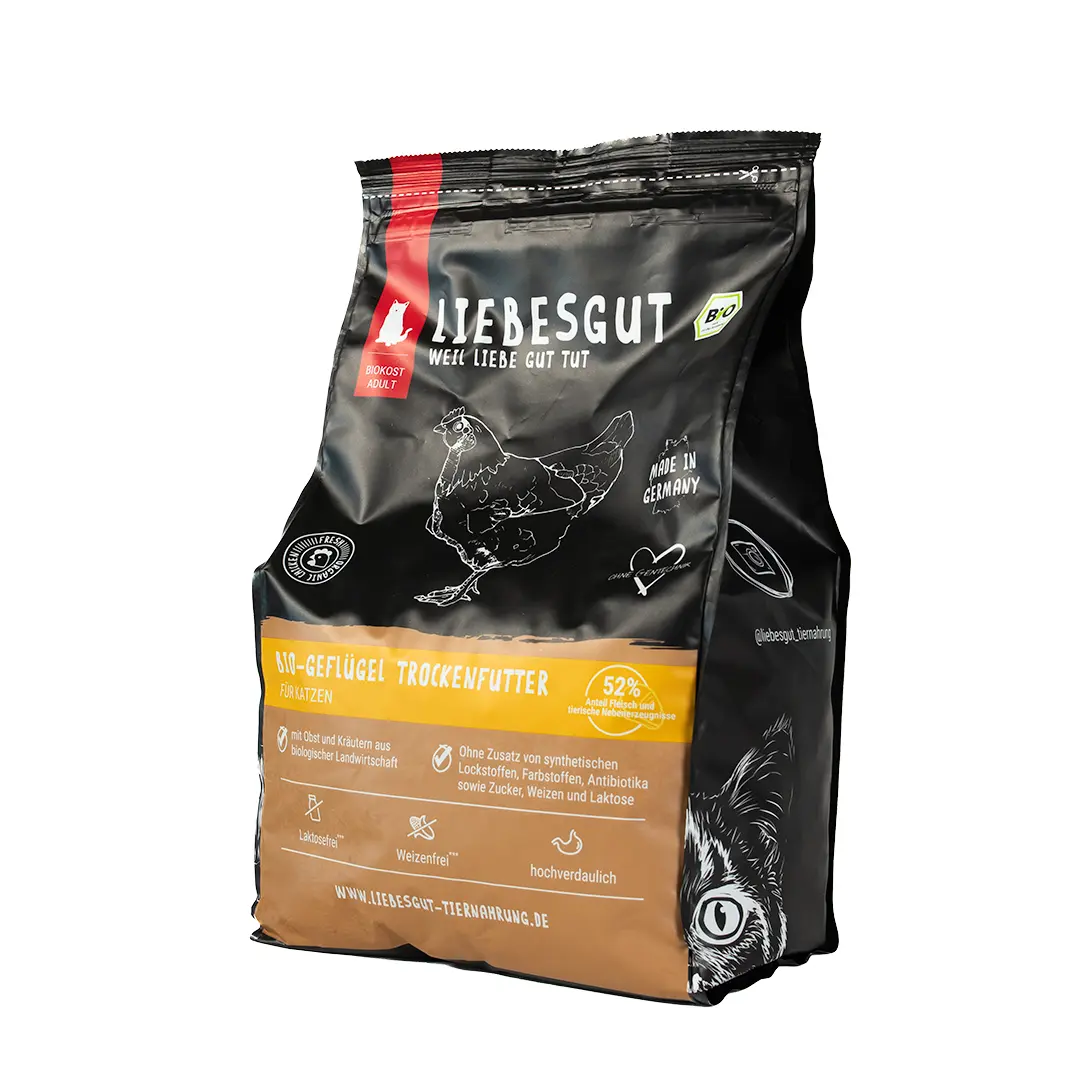
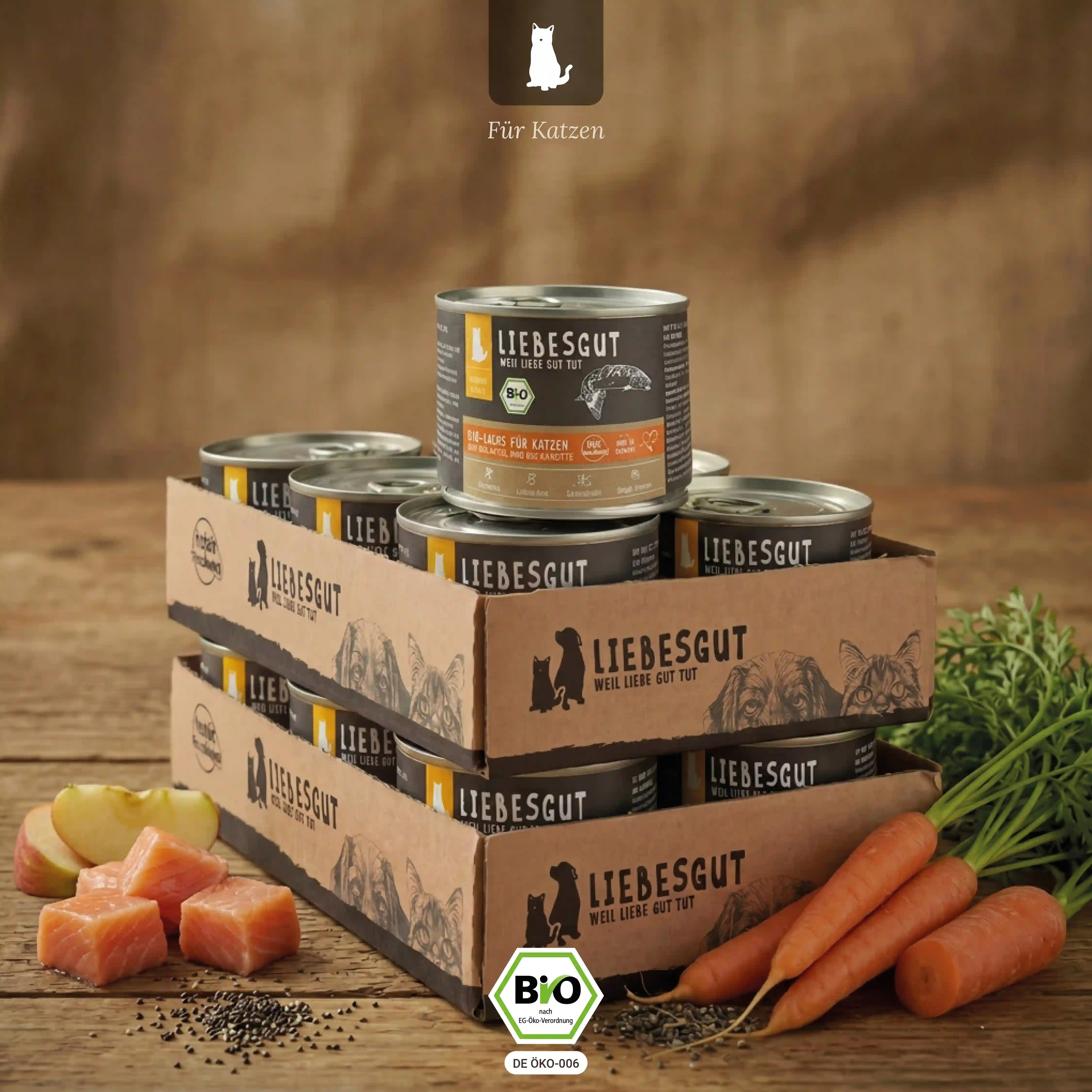
Contents: 2.4 kg (€13.45* / 1 kg)

Contents: 2.4 kg (€12.95* / 1 kg)


Contents: 0.6 kg (€15.73* / 1 kg)

Contents: 7.2 kg (€8.38* / 1 kg)

Contents: 0.4 kg (€16.05* / 1 kg)
Contents: 1.2 kg (€15.91* / 1 kg)
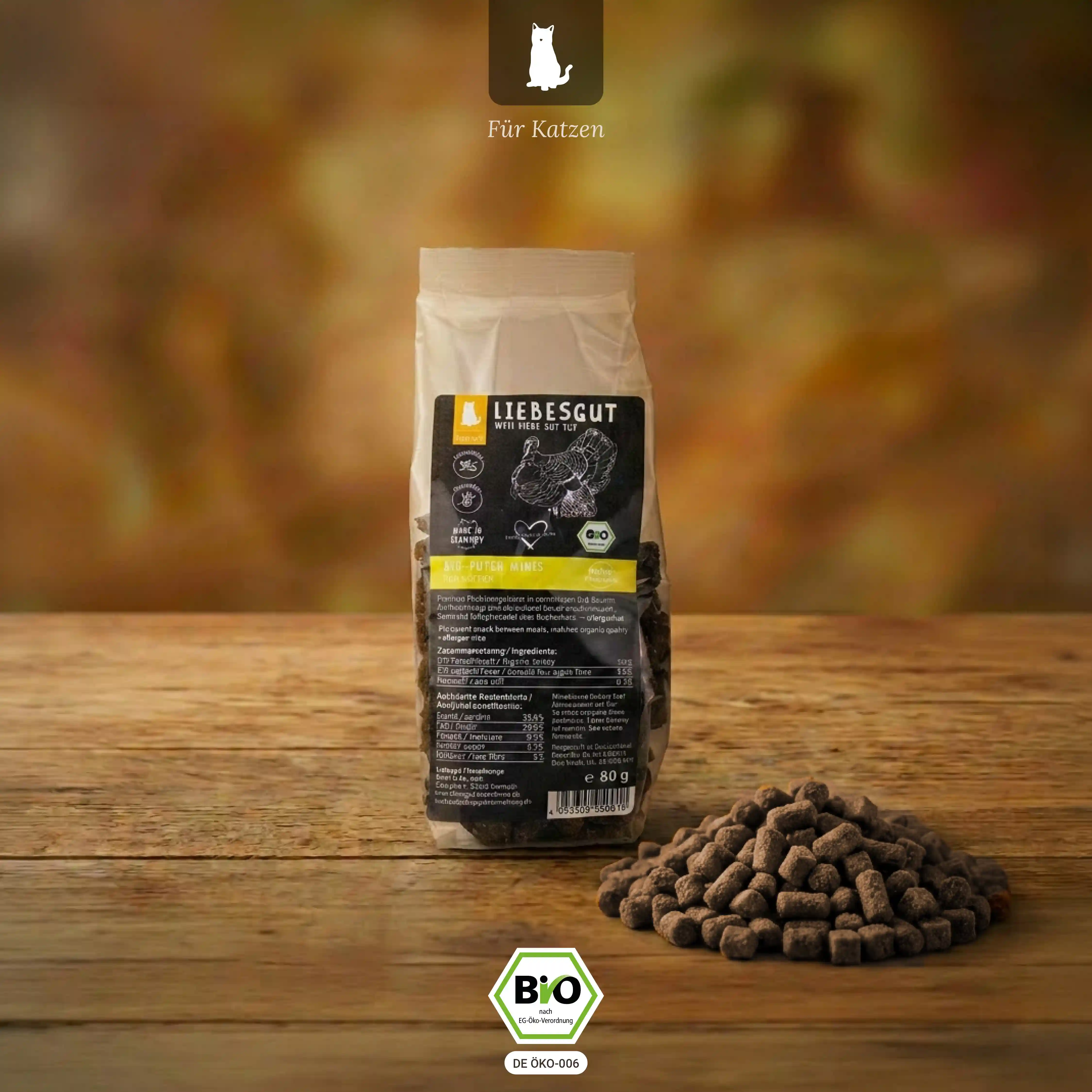

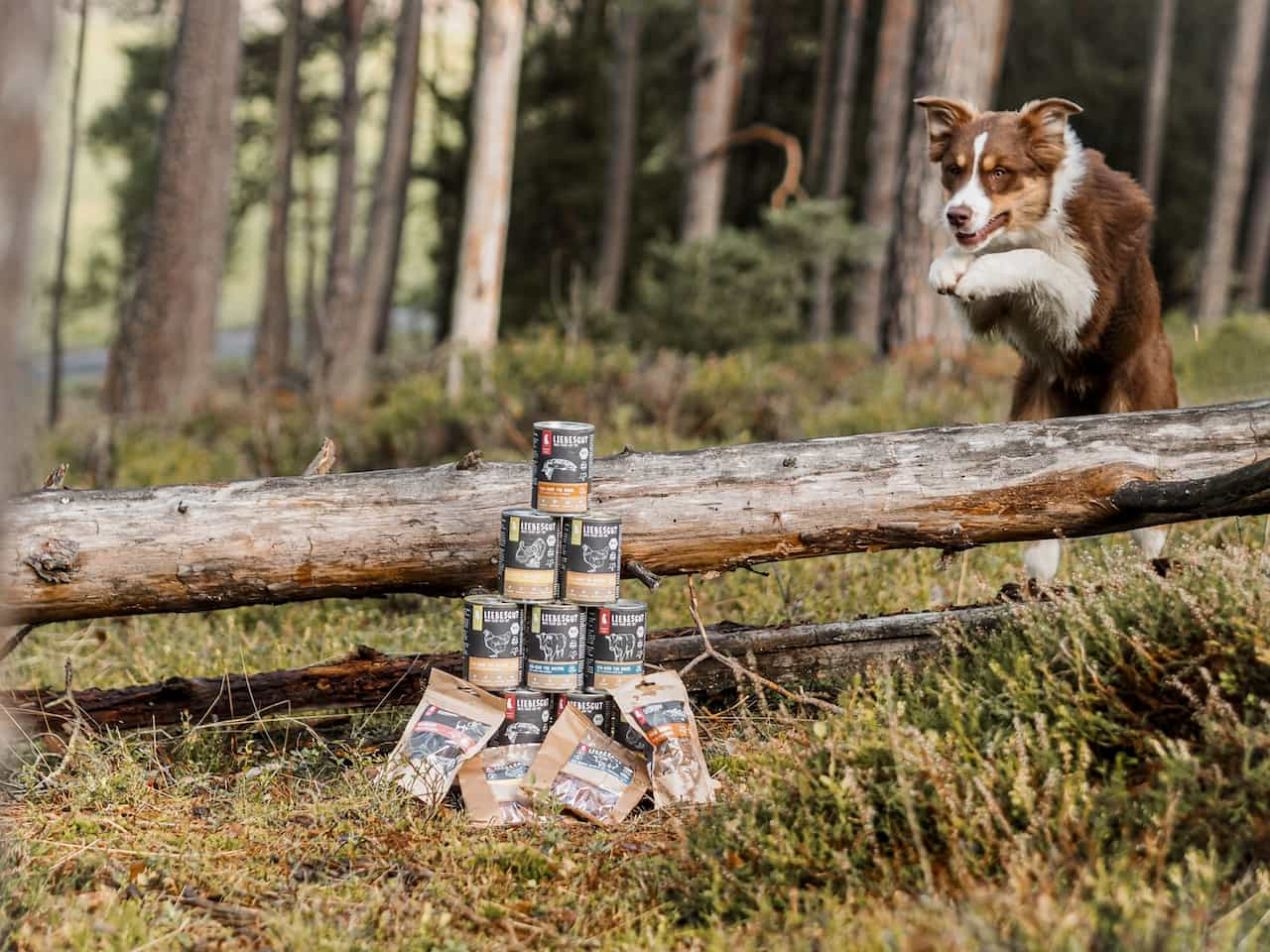
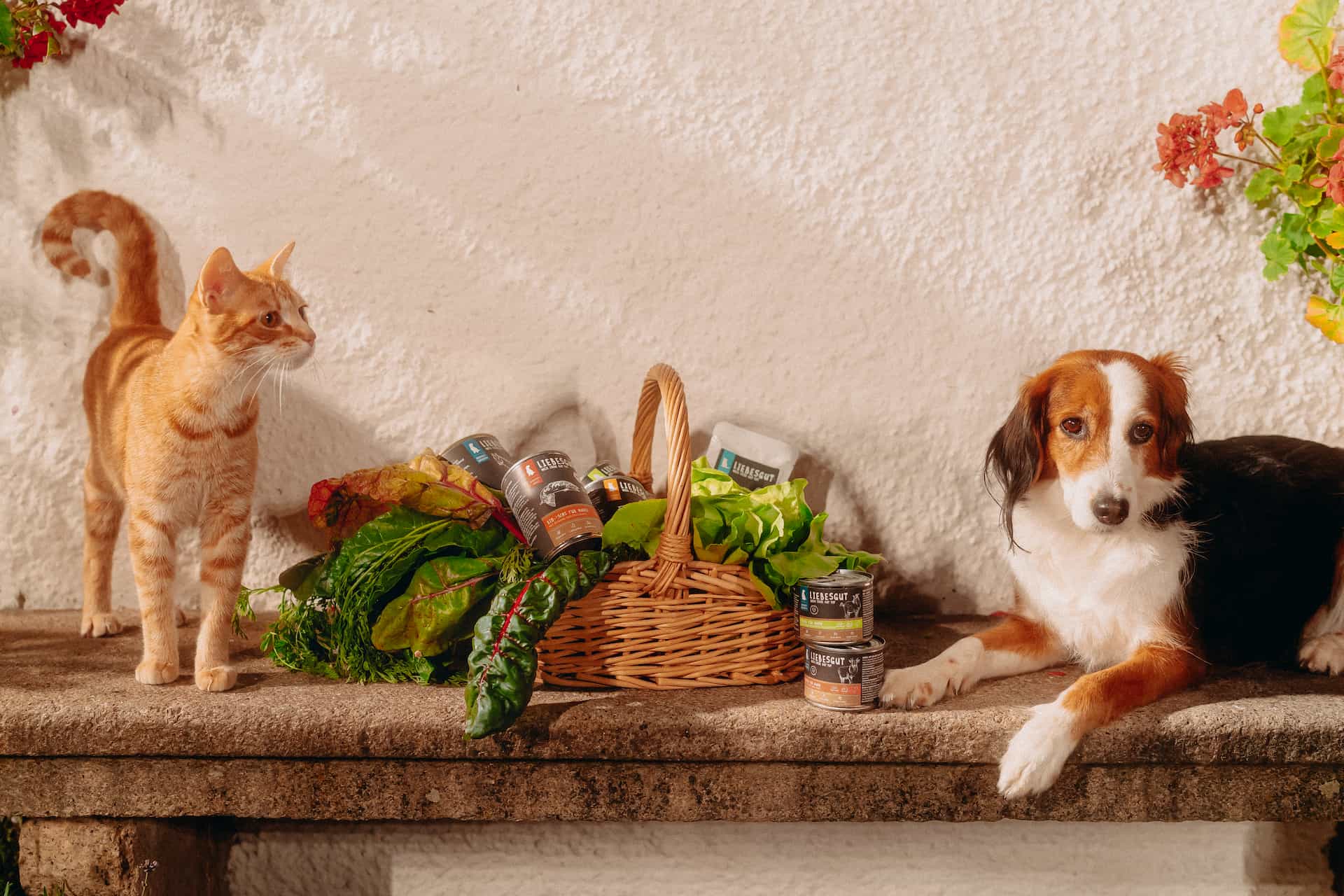
Why Liebesgut is ideal for you and your four-legged friend
Discover high-quality pet food for your four-legged friend! We are committed to the species-appropriate feeding of pets. Our regional organic and premium pet food is not only sustainable, but also offers your furry pets great variety.
Our Liebesgut pet food is perfectly tailored to your pet's needs. The nutritional and psychological needs of dogs and cats are the focus of our particularly healthy and balanced menus.
With our diverse range, we can cater precisely to the individual needs of animals: whether premium food for cats, organic dog food, BARF, wet food or treats - there is something for every appetite with our different flavours!
Of course, we make sure that our pet food is balanced and age-appropriate. To ensure that all pets, including those with sensitive digestion, can be fed without hesitation, our food is always gluten-free, lactose-free and free from any additives. We pay attention to the highest organic standards and produce regionally.
Every four-legged friend's mouth will be watering!
Follow us on social media
FAQ
How can I get my cat or dog used to new food?
How quickly your pet gets used to a change of food depends on several factors. Depending on the animal, age, breed and previous diet, the bacterial colonisation of the intestine is very individual. To avoid diarrhoea and intolerances, a change of food for pets must be made carefully and very slowly.
It is best to mix new and previous food, adding more and more of the new pet food and continuously reducing the previous food. As a rule, your cat's or dog's intestinal flora will quickly adapt to the new pet food, but occasional mild diarrhoea may occur temporarily.
If I feed a Liebesgut pet food, do I need to add any supplements to the food to cover my pet's needs?
If you alternate between the different varieties of Liebesgut pet food from time to time,
the basic requirements of your four-legged friend are covered. In order to ensure that your pet
Animal can consume different vitamins and protein sources, this variety is important. Further additions to the food are not necessary.
However, please pay attention to the correct dosage of the products!
My pet does not tolerate normal pet food - what can I do?
Basically, if you do not know which persistent intolerances are causing dull fur, inflammation, diarrhoea or similar in your pet, please consult your vet or seek advice from dog nutritionists!
However, the most common allergic reactions in pets are caused by cereals
in their food or are caused by flying pollen, for example. It may
of course, your pet may be allergic to a certain type of meat in its food - or to ingredients in it. In this case, special exclusion diets are recommended to find out exactly which substances are responsible for the problems.
From our experience, we can confirm that many animals are particularly sensitive to
artificial additives such as preservatives and chemical supplements. That is why our pet food is completely gluten and lactose-free and made without chemical additives.
Many supposed intolerances regarding the type of meat or other foods can be avoided with healthy and balanced premium food.
What are the differences in the diets of puppies and adult dogs?
Naturally, the nutritional requirements of young dogs are different to those of older dogs. Puppies and young dogs need significantly larger amounts of food, while older and less active dogs tend to need less pet food. However, puppies should not be overfed either, as the growth plates only close after a year and being overweight is extremely harmful for bone development and joints. For this reason, the general recommendation is to switch to normal adult dog food at around six months/one year of age (depending on the breed, smaller breeds need longer puppy food, larger breeds not so long), although more precise age recommendations also depend on the breed of dog in question.
Not all dogs necessarily need to be fed special food at an advanced age. If the dog is still healthy and shows consistent activity, there is no reason not to continue feeding it normal pet food. However, if age-related complaints and inactivity occur, you should switch to a more gentle diet in order to avoid complaints and obesity.
How often should a pet be fed each day?
On our pet food packaging you will find valuable tips and guidelines on the
correct amount of food. However, only you know your cat or dog and its needs
respective needs. You know how active your pet is, how big and how heavy it is
is, so we can only make approximate recommendations. So observe your
Closely and adjust the frequency and quantity of food to your pet's needs
Needs of your pet.
The following applies to feeding pets: Keep the bowls clean so that there is no
spoilt food, build several feeding times into the day and avoid stress after feeding
Stress after feeding.
How much food should my dog get each day?
As with humans, portion sizes vary depending on the animal and its activity level. On our pet food packaging you will find valuable tips and guidelines on the correct amount of food. However, only you know your dog and its needs well enough. Our feeding recommendations are therefore intended purely as a guide. It is very important for your pet's health that its physical condition is checked regularly and that the amount of food is adjusted as required.
What is the best way to store opened food?
It is important to store the pet food in a dry and cool place. Once opened, the pet food will keep for 2-3 days in a tightly closed tin in the fridge. However, the same applies here as with other foods: always check the consistency and odour!
Please leave the tin at room temperature for a while after removing it from the fridge before offering the food to your pet.