


Nutritional counselling - Leishmaniasis dog nutrition
What is leishmaniasis in dogs?
Leishmaniasis in dogs is transmitted by sand flies. The parasites attach themselves to your dog's immune cells and are therefore difficult to treat. It mainly manifests itself after travelling to Mediterranean countries. In recent years, however, these pathogens have also been brought to Central Europe due to travelling.
What symptoms are noticeable?
Leishmaniasis is a disease that can cause various symptoms in your dog. It can take between 1 and 3 months to develop, but can also last for years. First and foremost, your dog will be tired and unable to exercise. These are the first signs that may indicate an illness. In addition, there is swelling of the lymph nodes and inflammation of the skin, which manifests itself in the form of dandruff and hairless patches. Small nodules may form at the puncture site, but these are often overlooked. Your dog will also eat less and lose weight.
What treatment is available for leishmaniasis?
If your dog has leishmaniasis, causal treatment is very difficult. Although the symptoms may be alleviated, the pathogen cannot be completely eliminated. Treatment usually takes months and is also very expensive.If the symptoms are alleviated, blood tests must still be carried out regularly in order to recognise a new outbreak in good time.
Conventional therapy is carried out by the vet using medication. First and foremost, the symptoms are treated. The active ingredient allopurinol has proven to be effective in treating dogs. This medication can lead to your dog being free of symptoms. However, the pathogen is not completely eliminated and remains dormant in your dog's body.
What is the course of leishmaniasis in dogs?
The course of leishmaniasis can vary greatly and, above all, be gradual. In some dogs, it takes several years for the disease to break through. The first symptoms are often very unspecific, which is why dog owners rarely think of this disease. The symptoms can vary in severity and are characterised by fatigue, tiredness and sometimes diarrhoea. Over time, weight loss occurs and the hindquarters gradually weaken and even become paralysed. In some cases, barky and scaly patches of skin appear. When these symptoms appear depends on the individual.
What are so-called Mediterranean diseases in dogs?
Mediterranean diseases are also known as travel sickness in dogs. Especially in Spain, Turkey, Greece and Romania, your dog is at a particularly high risk of contracting a Mediterranean disease. Due to climate change, Mediterranean diseases are also becoming more common in Central Europe, as the conditions are ideal for the parasites and pathogens. In addition to leishmaniasis, babesiosis, ehrlichiosis and dirofilariasis are also categorised as Mediterranean diseases.
How can you protect your dog from leishmaniasis?
If you are travelling to risk areas with your dog, you should protect him adequately. There are already collars that offer protection against sand flies. Spot-on preparations have also proven to be helpful and keep the unwelcome mosquitoes away. In addition, you should not let your dog run outside at dusk and in the dark, as this is when the mosquitoes are active. There is already a vaccination against leishmaniasis in dogs. However, this does not offer absolute protection against the disease.
Why is nutrition important in addition to therapy?
In addition to conventional therapy, nutrition is the be-all and end-all of leishmaniasis. You should choose high-quality organic dry food and organic wet food for your four-legged friend. Make sure that high-quality proteins and fats are supplied. The food should be easy to digest so that you don't put additional strain on your dog's gastrointestinal system. If your dog is suffering from leishmaniasis, you should provide small amounts of purine. As the parasites do not produce purine themselves, they obtain it from outside sources. If you feed your dog small amounts of purine, you can curb the growth and reproduction of the parasites a little. With organic dry food and organic wet food, you will be able to offer your dog a balanced diet for leishmaniasis.
Can leishmaniasis be transmitted from dogs to humans?
There is some debate as to whether leishmaniasis can be transmitted to humans through wound secretions. However, there is no known case to date. Direct transmission from your dog to you is not possible without the sand fly. Nevertheless, you should exercise caution when treating your dog.
How long can a dog live with leishmaniasis?
Leishmaniasis in dogs is not considered curable. However, with the right treatment and organic dry food and organic wet food, your dog's lifespan can be extended. It is assumed that the disease will lead to death after a few weeks if left untreated. With good therapy and a balanced diet, some dogs can survive for years with this disease.
How can leishmaniasis be detected in dogs?
The pathogen is primarily detected by scraping the skin. A PCR test using blood, urine and ejaculate can also provide an indication of leishmaniasis in your dog.As the blood sample is only of limited significance for the pathogens, it is rarely used.
A serological screening test should be carried out every 6 months after travelling to Mediterranean countries.
How can you prevent leishmaniasis in dogs?
Basically, you cannot prevent leishmaniasis in your dog on holiday, you can only minimise the risk. Make sure that your dog does not go outside after dark. The sand fly is nocturnal and is attracted to light. You can also take precautions with a collar or a spot-on product.However, itisnot possible to completely avoid the risk of the disease in dogs.
Our recommendations for your four-legged friend:
Selected for You
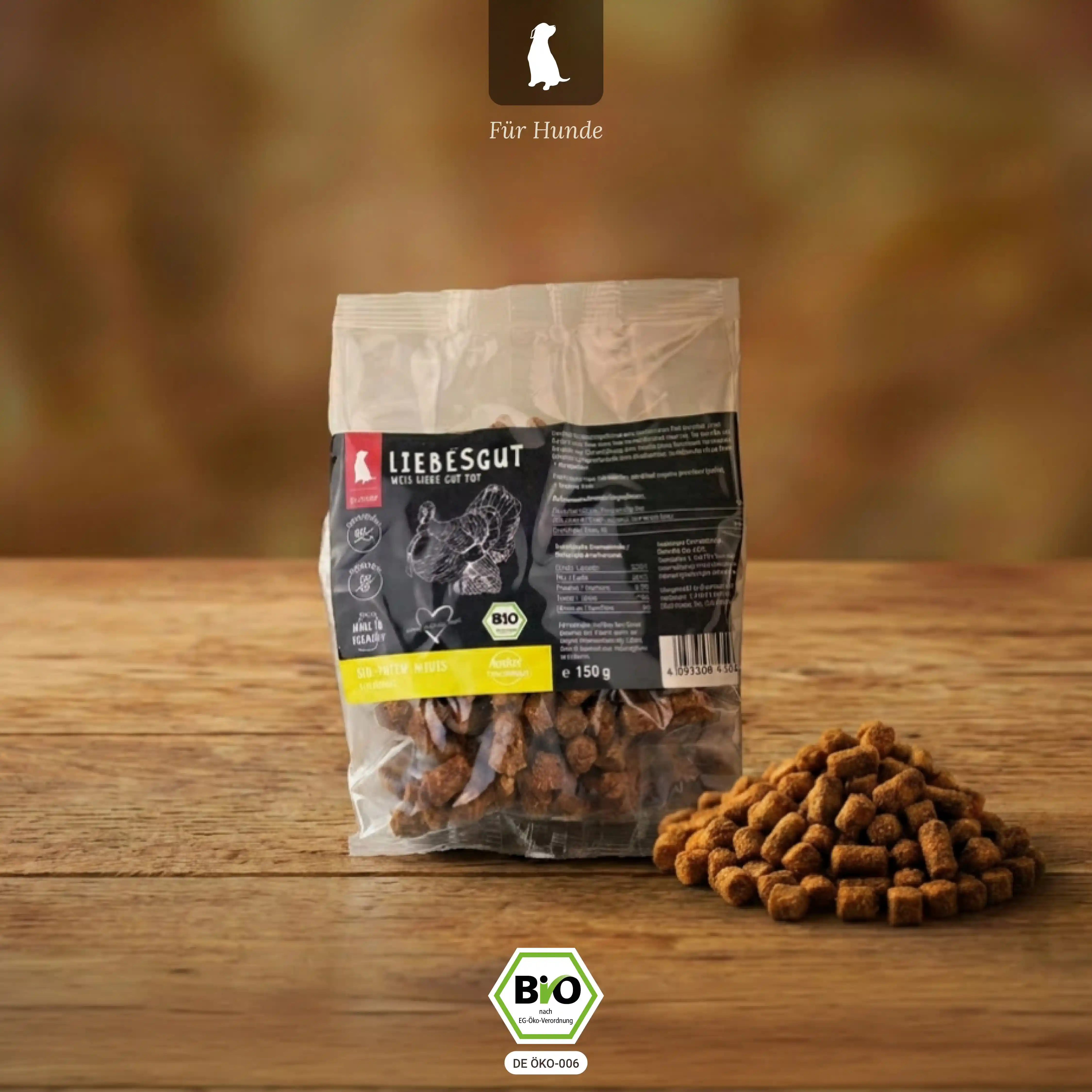
Organic dog treats
Contents: 0.15 kg (€284.60* / 1 kg)
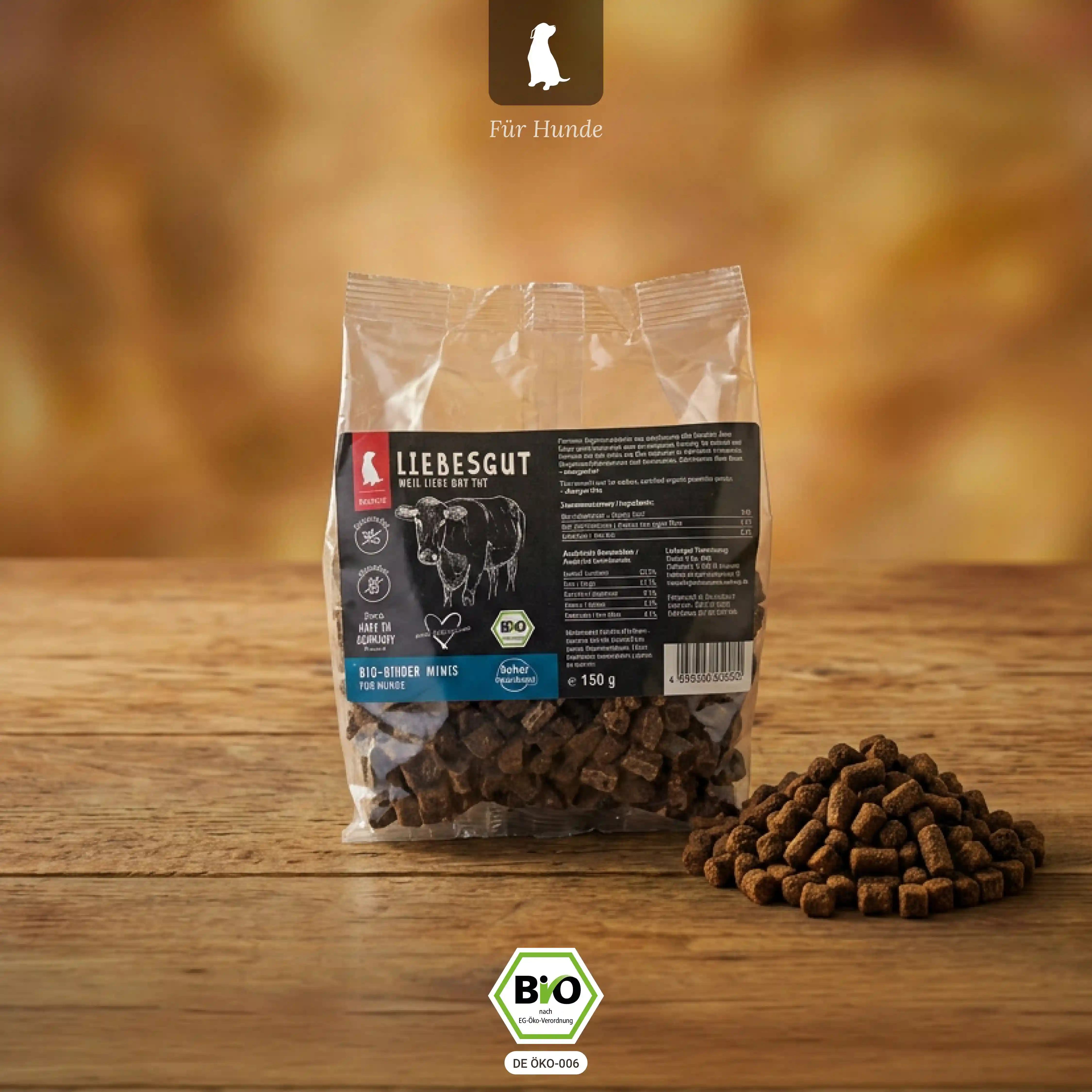
Organic dog treats
Contents: 0.15 kg (€292.20* / 1 kg)

Organic dog food Adult
Contents: 2.4 kg (€9.23* / 1 kg)
Selected for You
Organic dog treats
Contents: 0.15 kg (€284.60* / 1 kg)
Organic dog treats
Contents: 0.15 kg (€292.20* / 1 kg)
Organic dog food Adult
Contents: 2.4 kg (€9.23* / 1 kg)