


Elevated liver enzymes in dogs - Nutrition
Elevated liver enzymes in dogs
Elevated liver enzymes in dogs are a sign of chronic or acute liver disease. Immediate, rapid treatment is necessary to maintain liver function in the long term. This article describes the causes of elevated liver enzymes in dogs, the possible symptoms and signs, and the treatment options available.
Causes of liver disease in dogs
Elevated liver enzymes in dogs are usually caused by incorrect feeding and stress. Other causes of elevated liver enzymes in dogs can be exposure to medication or vaccination. Deficiencies or excesses can also cause increased liver values in dogs. Other organ diseases can also affect the liver. Some dog breeds are particularly susceptible to liver disease. These include retrievers, Great Danes and Dobermans. If your dog is older, you should have an annual liver check due to the increased susceptibility to disease.
Elevated liver values in dogs due to stress
Elevated liver values in dogs due to stress are not uncommon. A dog under stress has to contend with constant subliminal liver irritation. This is more susceptible to pathogens, causing inflammation and degenerative liver damage. A distinction is made between acute liver damage, usually caused by viruses, and chronic liver disease. Elevated liver values in dogs due to stress should be combated by providing a low-stress environment. Give your dog the peace and quiet he needs and a cosy retreat where he can relax and feel safe.
How liver disease can be treated
Elevated liver values in dogs and food are often closely linked. Therefore, one of the most important things in treatment is a change in diet by the vet. A detoxification and purification programme using alternative medicine or a liver diet can strengthen the liver's detoxification function. Bach flowers and homeopathic remedies, which must be prescribed by a specialist, are also often offered as support. The treatment of elevated liver values in dogs can also be helpfully supplemented by phytotherapy, for example through the targeted composition of a detoxifying tea as a feed supplement. Enzyme therapy can be used for illnesses or as a preventative measure. The regular administration of humic acids supports the enzyme activity of the liver and strengthens the immune system.
Lowering liver values in dogs
Lowering liver values in dogs requires several components. To protect the digestive system, you should feed your dog small portions several times a day. Make sure your dog's diet is low in protein to lower his liver enzymes. Feed only highly digestible protein and high-quality fats as an energy source. Another way to lower your dog's liver values is to feed supplements that support liver function, such as milk thistle, dandelion, herbs, brewer's yeast, elm bark, rose hip powder and much more. Support your dog with a good retreat and make sure he gets enough sleep. If your dog is one of those dogs that are very anxious, you should ensure a low-stimulus environment. If your dog is overweight, you should reduce his weight to lower his liver values. Also have regular blood work done. If necessary, get a second opinion.
It all depends on the right food
Elevated liver values in dogs and food often interact. Elevated liver values in dogs can be caused by incorrect feeding. This is why an immediate change in diet is so important. It is best to seek advice from your vet. A customised liver diet is advisable.
What should I pay attention to when feeding my dog with liver disease?
It is important to change your dog's diet as soon as you receive the diagnosis. Elevated liver values in dogs and their food can have a positive or negative effect on the course of the disease. Organic wet food contains all the vitamins, minerals and nutrients that are important for your dog. Elevated liver values and food are often closely linked. If your dog's liver disease is particularly serious, you should consult a dog nutrition specialist. He can give you good advice and your dog can start an appropriate diet. A special diet must relieve the strain on the metabolism, especially in the case of liver disease. Elevated liver values in dogs can be reduced with food and the appropriate treatment. If the food is well adapted to the dog's condition, the liver can regenerate. If all the important nutrients are included, this significantly increases the dog's quality of life and life expectancy. You should also make sure that the food puts as little strain as possible on the part of your dog's liver that is still working. It should only contain easily digestible protein and high-quality fatty acids.
What symptoms do dogs with liver disease have?
As the symptoms of liver disease are often very unspecific at the beginning, the disease can often only be recognised very late. A wide variety of symptoms are possible. At the beginning of the disease, dogs usually suffer from the following symptoms: vomiting, fever and diarrhoea, heavy sweating, sensitivity to light, skin disorders with itching, colicky pain, weight loss, loss of appetite, increased water intake, sluggishness and poor performance, increased urination, impaired blood clotting. As the disease progresses, the mucous membranes may become discoloured. In addition, muscle cramps often occur as the body can no longer detoxify properly.
What do elevated liver values in dogs mean?
If a dog has elevated liver values, this can indicate various diseases. Your dog may be suffering from hepatitis or liver fibrosis, congenital diseases such as portosystemic shunt or copper storage disease, liver damage caused by poisoning or prolonged medication, obesity or even a liver tumour.
What to do if your dog has poor liver values?
If your dog's liver values are poor, you should contact your vet immediately and start the prescribed treatment. Dietary changes play a very important role alongside drug treatment.
Where do elevated liver enzymes in dogs come from?
Elevated liver values in dogs are mainly caused by incorrect feeding, worming and stress. Other organ diseases can also affect the liver and trigger liver disease. Allergies can also be a co-trigger of liver damage.
Deficiencies and excesses of vitamins, trace elements and minerals can also be the cause of liver disease.
Our recommendation for your four-legged friend:
Selected for You
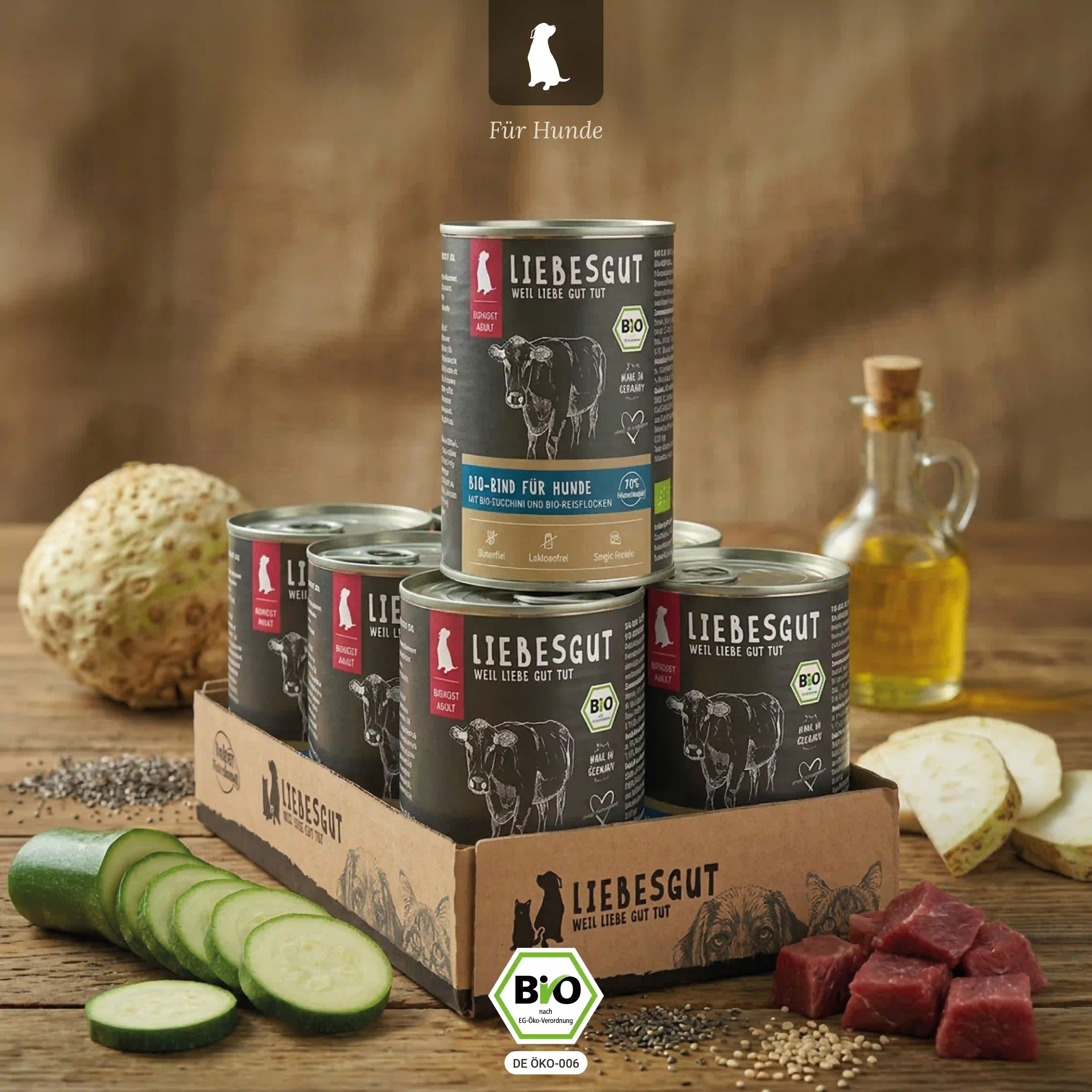
Organic dog food Adult
Contents: 2.4 kg (€9.48* / 1 kg)
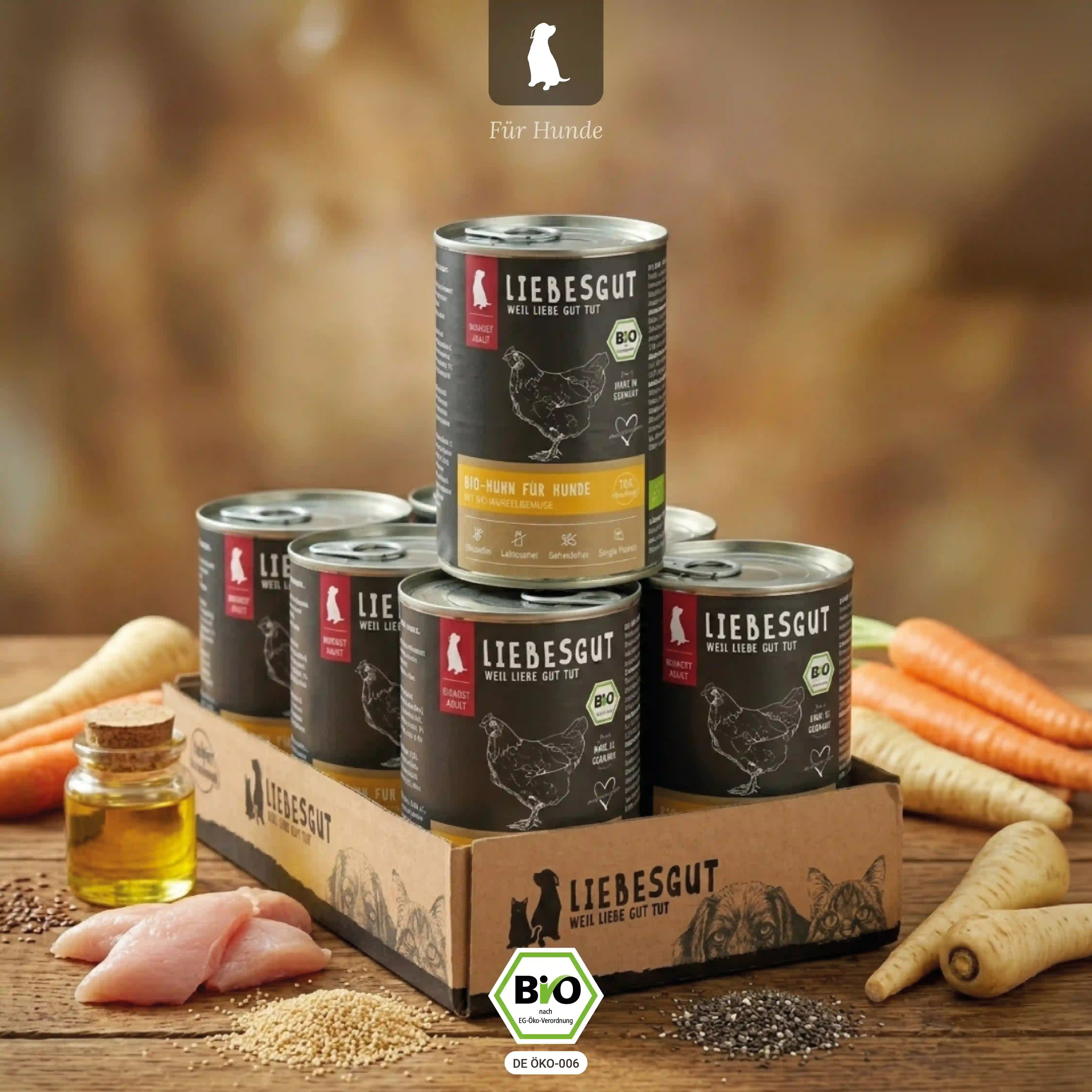
Organic dog food Adult
Contents: 2.4 kg (€9.23* / 1 kg)
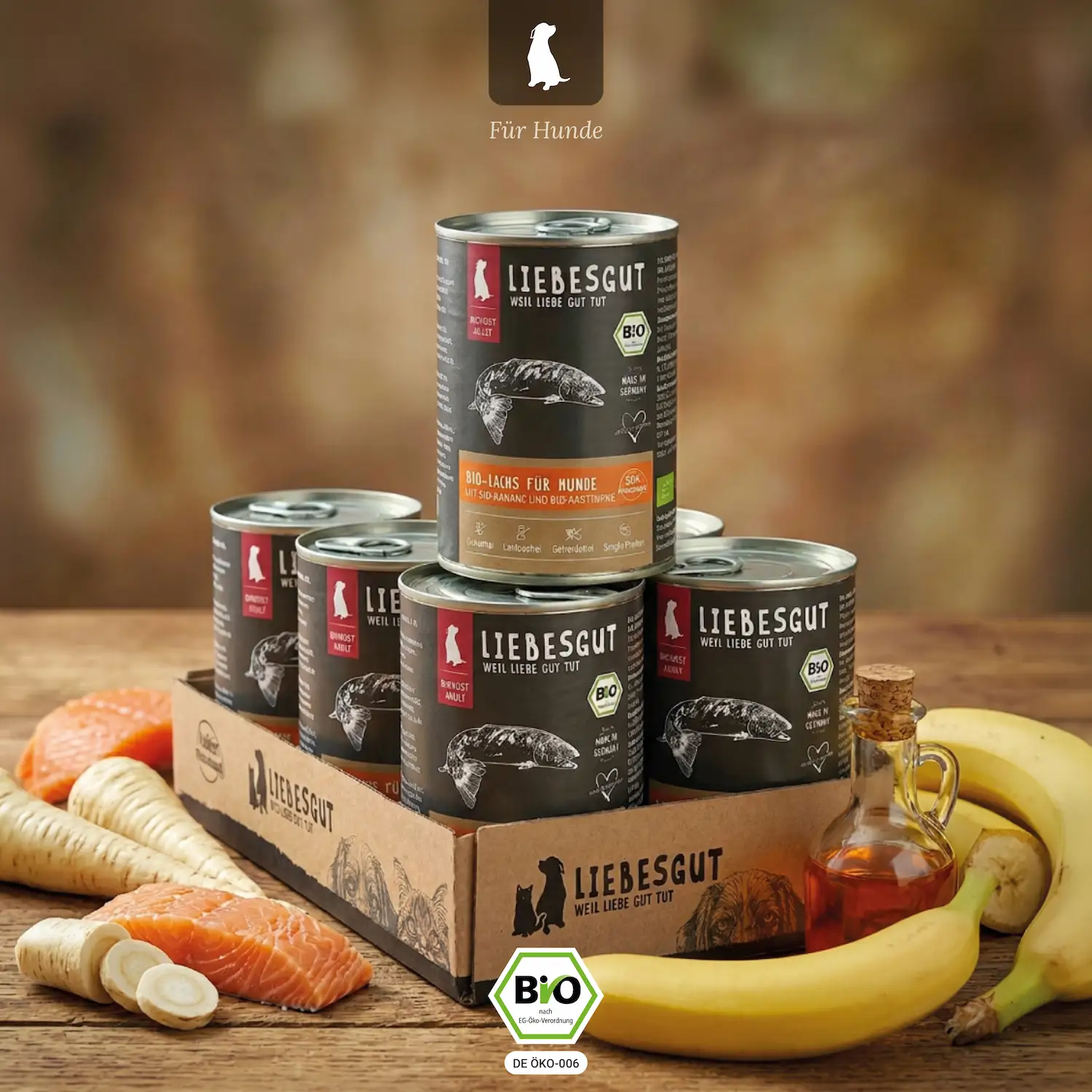
Organic dog food Adult
Contents: 2.4 kg (€9.73* / 1 kg)
Selected for You
Organic dog food Adult
Contents: 2.4 kg (€9.48* / 1 kg)
Organic dog food Adult
Contents: 2.4 kg (€9.23* / 1 kg)
Organic dog food Adult
Contents: 2.4 kg (€9.73* / 1 kg)