


Dogs eating grass: when it's normal and when it's problematic
Does your dog eat grass? Don't worry, this can be completely normal: Dogs are omnivores and the vast majority of dogs simply enjoy it. There are many rumours that dogs eat grass because they have a lack of fibre, for example, or because they have stomach problems. However, modern studies on the subject have not been able to establish a strong link between illness, malnutrition or anything else and eating grass. There is no "good" explanation and many researchers suspect that it is a natural behaviour that wolves have also shown.So if your dog eats grass, this in itself is nothing to worry about. It is much more important that you pay attention to the behaviour before and after eating.
Is my dog eating grass because it lacks fibre or nutrients?
The conclusion is actually very logical: dogs are not herbivores and grasses in particular are extremely rich in fibre, which means that eaten grass binds the stomach contents well.However, when various researchers have tried to test this, many have come to the same conclusion: Even on a complete diet, dogs still seem to eat grass. According to Benjamin L. Hart, a professor at the UC Davis School of Veterinary Medicine, one study found no difference between dogs eating raw food, regular dog food or being fed primarily scraps - all groups showed similar behaviour and ate grass regularly. Some of the dogs vomited after eating grass, but according to the study, this was related to pre-existing stomach problems.
Another study by researchers S.H. Bjone, W. Y. Brown and I. R. Price at the University of New England shows a correlation between dogs' mealtimes and grass eating: when dogs have not yet eaten, they are more likely to eat grass. As the day progresses, the frequency with which dogs eat grass decreases, as they have already eaten their normal food. It can therefore also be deduced that eating grass is part of normal behaviour in dogs.
So we can summarise: If your dog eats grass, this is completely normal and is part of the eating behaviour of healthy dogs.
So why does my dog eat grass?
It's not entirely clear why dogs eat grass in the first place. The simplest explanation is that the ancestors of our furry friends already ate grass and this behaviour was retained. However, this does not explain the exact reasons. There are currently the following approaches as to why dogs eat grass:
● It could act as a prophylactic against parasites: The blades of grass make the gut move more and the whole plant parts can wrap around parasites to carry them out of the gut.
● Grass could help your dog's digestion or soothe the stomach.
● Dogs find grass simply delicious and enjoy eating grass - just like we enjoy eating a bag of popcorn with a film.
● Eating grass can be a "displacement behaviour", i.e. a method of coping with stress, boredom or frustration. However, this has not yet been proven by tests.
What is clear is that chewing is generally a good stimulation for dogs and can definitely contribute to dental health. So if you notice that your dog likes to nibble, take a look at our chews for dogs. Here you'll find lots of chewy items that your dog can chew on for a long time.
When is it problematic if my dog eats grass?
Regular and relaxed eating of grass is completely normal for dogs. However, you should pay attention if your dog's behaviour suddenly changes or your dog shows other symptoms. For example, if you notice that your dog doesn't just eat individual clumps of grass, but eats large quantities frantically or tries to eat grass immediately and purposefully during a walk, this could be a sign of nausea. If your dog vomits after eating grass, this may be normal. However, if he vomits every time, this is also a warning sign. If your dog shows symptoms such as loss of appetite, exhaustion, diarrhoea, slimy or bloody faeces and weight loss, you should go straight to the vet. These signs are not directly related to your dog eating grass, but it may be another symptom that something is wrong with your dog's digestion.
You should see your vet immediately if you notice any of the following:
● Extreme vomiting after eating grass
● Your dog seems apathetic or weak
● Severe retching or coughing that does not stop quickly
● Dog has not defecated for over a day
You should watch out for this if your dog eats grass
Your dog is allowed to eat grass - but you should still make sure that your dog doesn't just nibble indiscriminately.
Grass contaminated with harmful substances
Unfortunately, not all grass is the same: for example, your dog should not eat grass that grows along busy roads or at the edge of fields. These grasses can be contaminated with pollutants and chemicals from agriculture. These can be toxic to your dog and cause long-term damage in large quantities!
Parasites in the grass
Parasites can also hide in the grass: snails that carry lungworm larvae are sometimes accidentally swallowed by some dogs when they eat grass. This allows the larvae to spread in the dog's body.
Dangerous plants
In addition to possible exposure to chemicals or parasites, the plants your dog eats can also be harmful themselves. Long and hard grasses can get stuck in the mouth or throat and be very unpleasant for your four-legged friend. In the worst case scenario, such foreign bodies can lead to irritation and infections. Long grasses can also get stuck when your dog defecates, which is not particularly bad in itself, but many dog owners tend to remove these grasses themselves. If you are not careful, this can lead to slight cuts on the intestines or anus, which can also become infected. Your dog may also accidentally eat poisonous plants that grow among common grass, such as oleander, ivy, autumn crocus, wild wild garlic and so on. If you notice that your dog has eaten a plant that is poisonous to him, you must go to the vet immediately.
Give your dog alternatives
If your dog likes to eat grass, he should also have the opportunity to do so. The best places for this are known places where you can be sure that the grass is untreated, such as safe dog meadows or the garden at home if the grass has not been freshly fertilised.
Eating grass is normal, but should be monitored!
Does your dog sometimes eat grass and otherwise shows no conspicuous behaviour? Then everything is fine, because eating grass is part of normal behaviour. As an attentive dog owner, you know your furry friend best and can judge when your dog is suddenly behaving conspicuously or when something has changed. This is also the basis on which you can judge when grass eating is problematic. Your alarm bells should ring as soon as you notice that your dog seems panicky or is frantically eating grass and soil, or the faeces show strong abnormalities.
If you are still unsure, it is always a good idea to speak to your vet. If necessary, they can check your dog once to detect possible stomach problems.
Our recommendations for your four-legged friend:
Selected for You

Adult & Sensitive dog food
Contents: 16.8 kg (€8.69* / 1 kg)

Adult & Sensitive dog food
Contents: 19.2 kg (€8.70* / 1 kg)

Adult dog food
Contents: 7.2 kg (€8.60* / 1 kg)

Adult dog food
Contents: 14.4 kg (€7.19* / 1 kg)

Junior dog food
Contents: 7.2 kg (€8.30* / 1 kg)

Sensitive dog food
Contents: 9.6 kg (€8.75* / 1 kg)

Sensitive dog food
Contents: 19.2 kg (€7.72* / 1 kg)

Sensitive dog food
Contents: 4.8 kg (€8.74* / 1 kg)
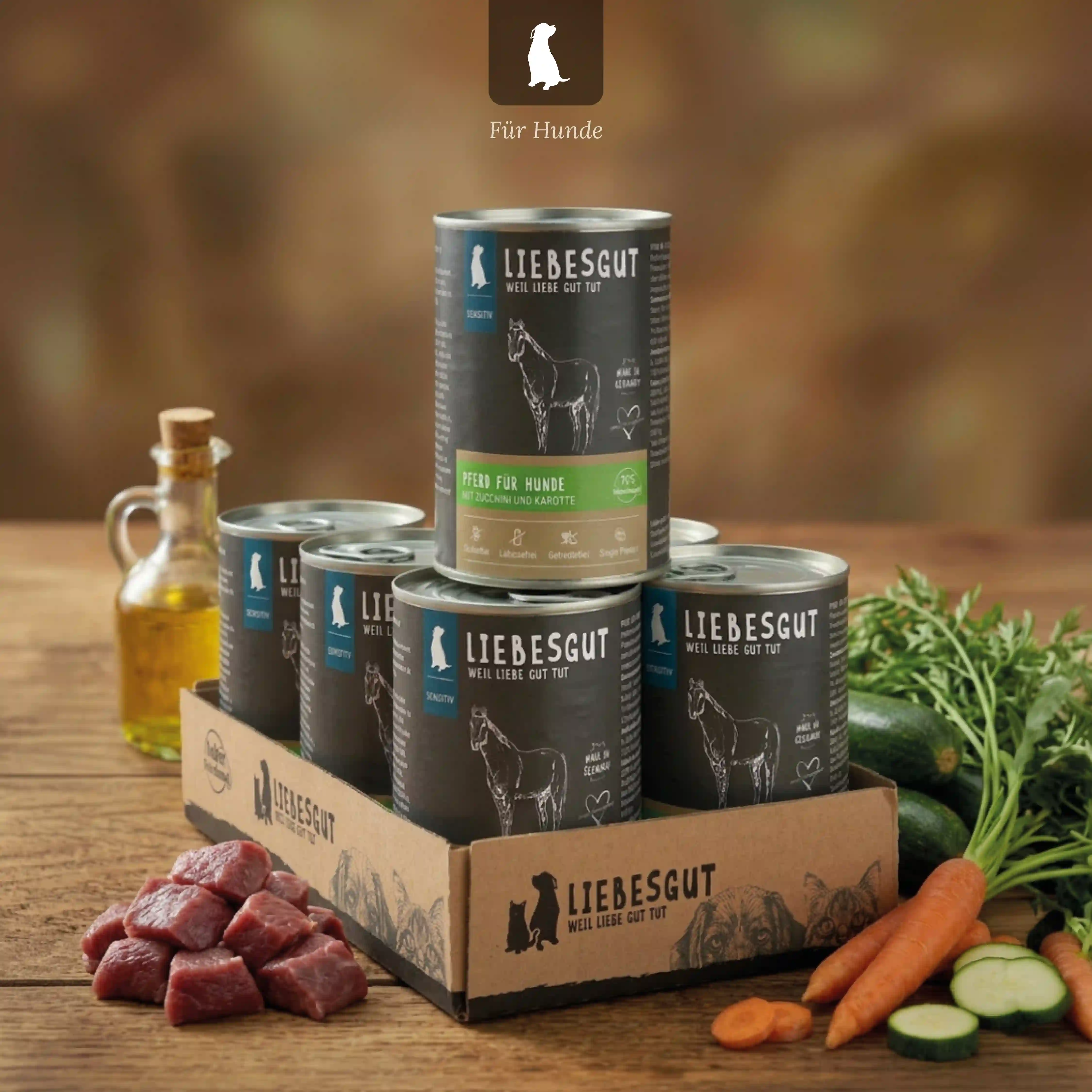
Sensitive dog food
Contents: 2.4 kg (€9.73* / 1 kg)
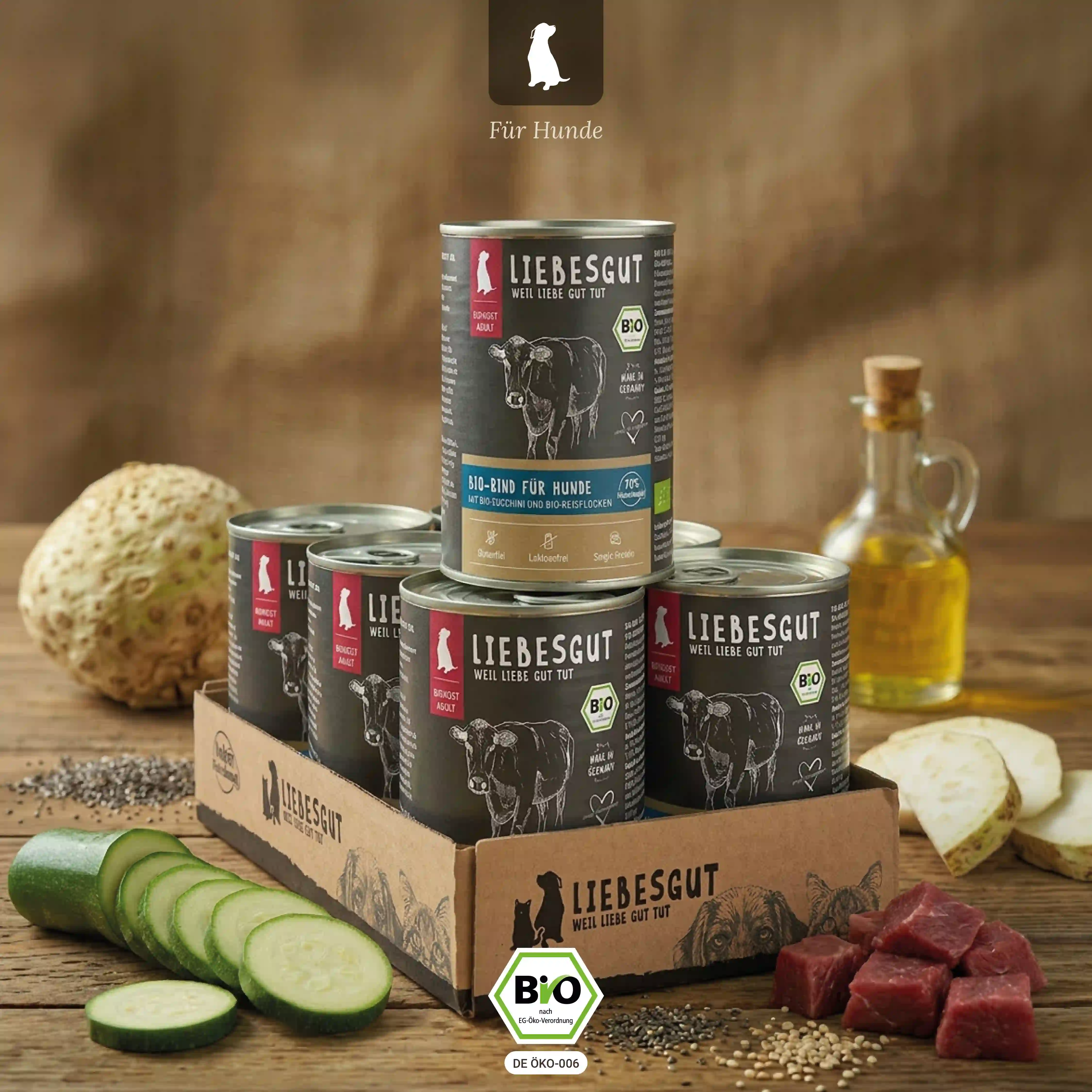
Organic dog food Adult
Contents: 2.4 kg (€9.48* / 1 kg)

Organic dog food junior
Contents: 4.8 kg (€7.86* / 1 kg)
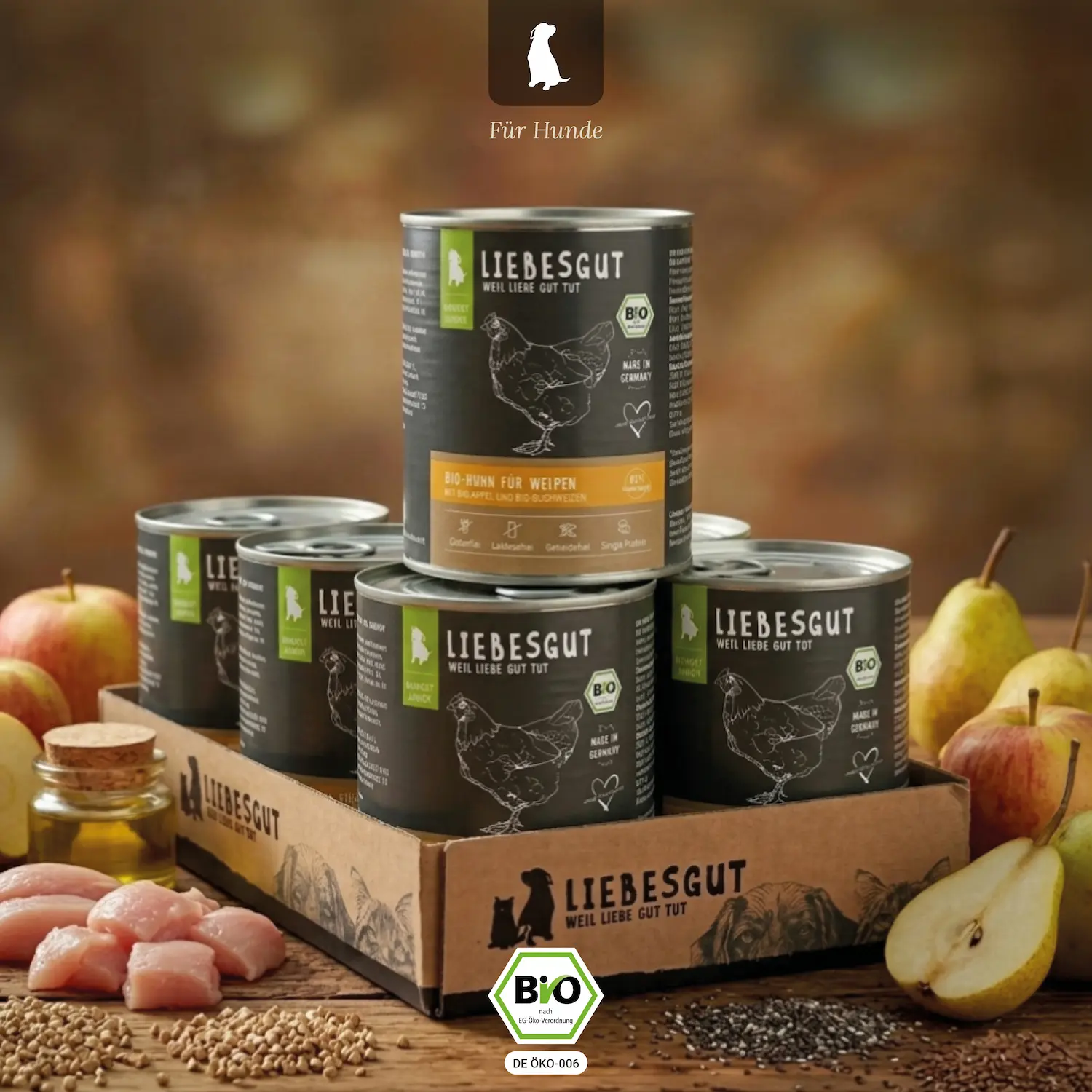
Organic dog food junior
Contents: 4.8 kg (€7.61* / 1 kg)
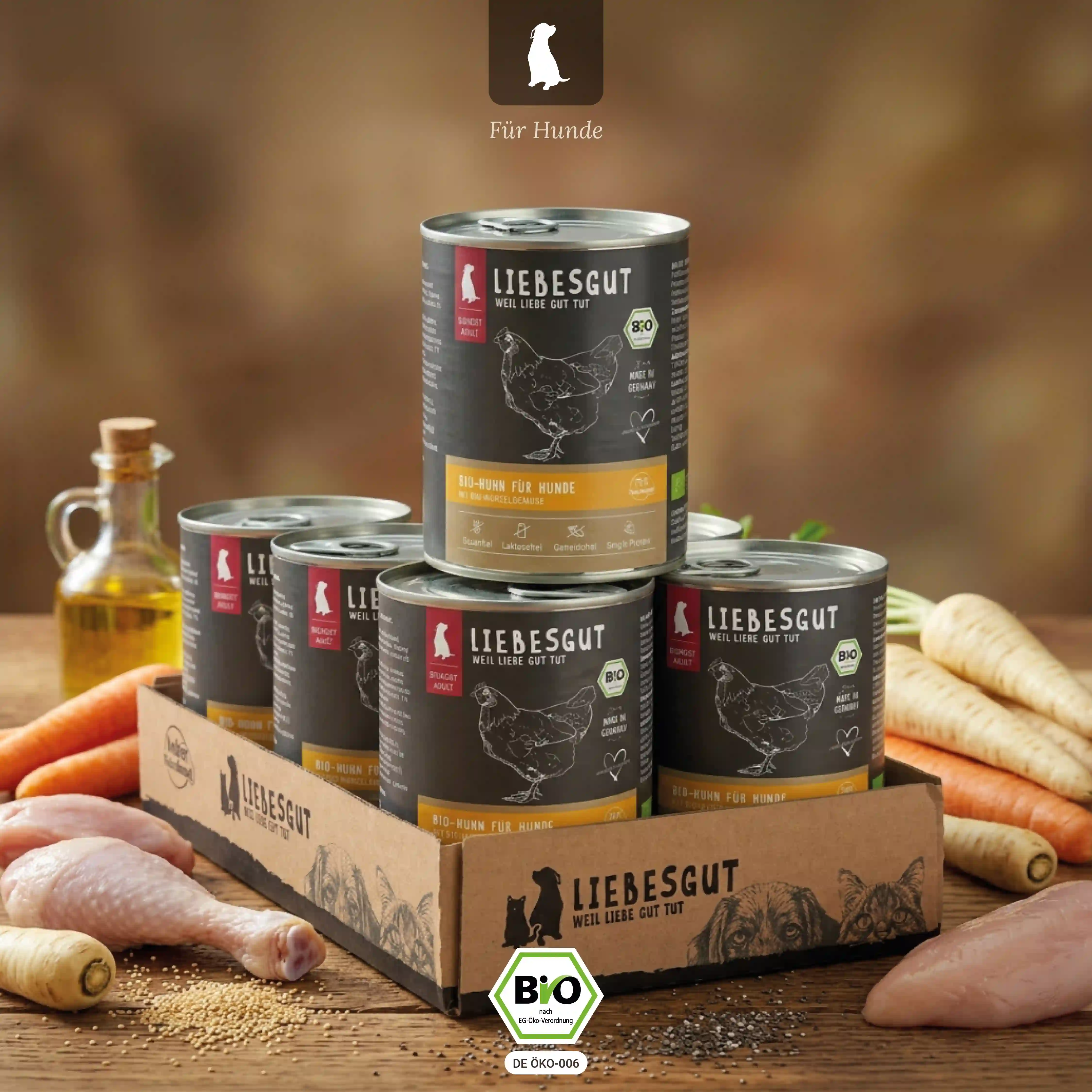
Organic dog food Adult
Contents: 4.8 kg (€7.61* / 1 kg)
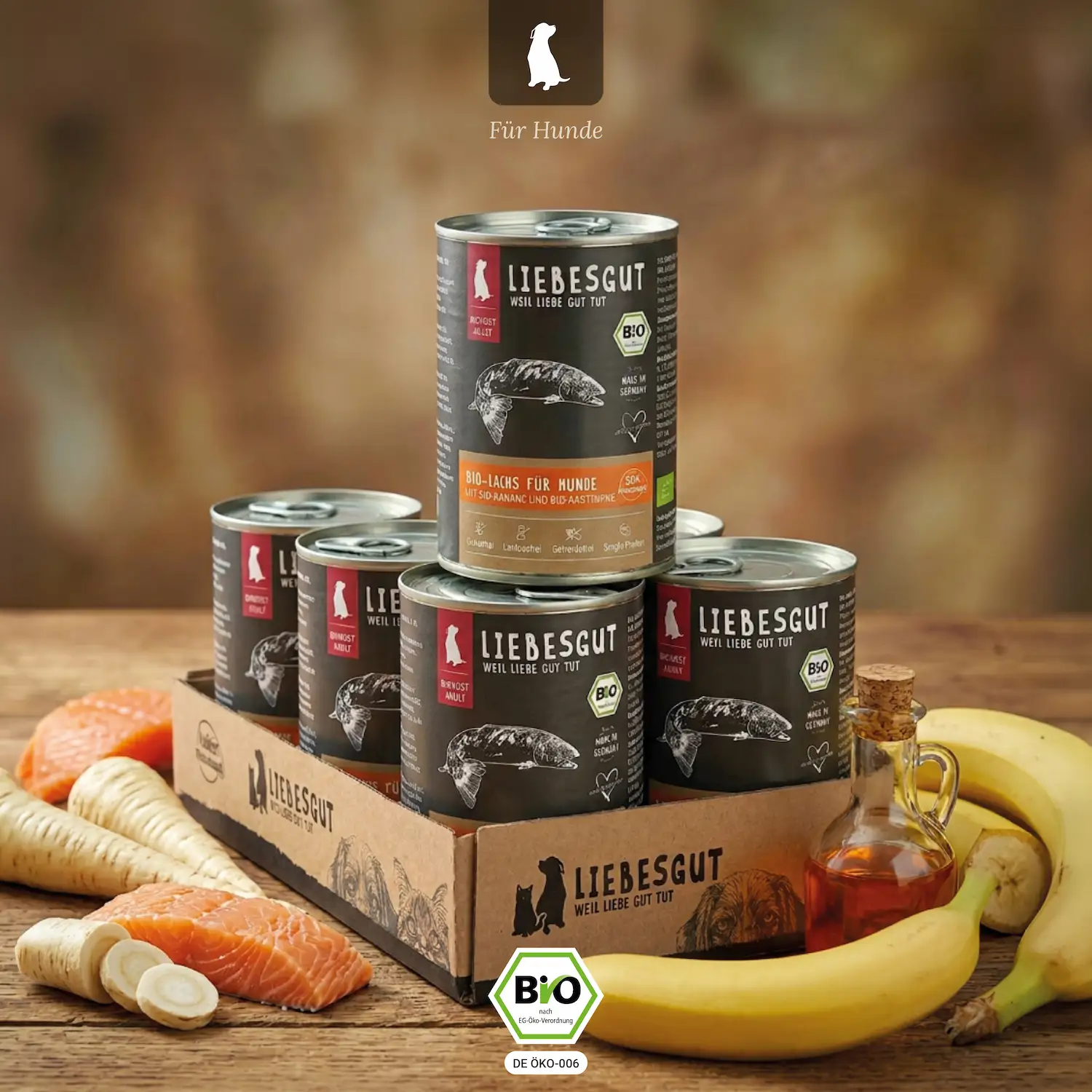
Organic dog food Adult
Contents: 2.4 kg (€9.73* / 1 kg)

Organic dog food junior
Contents: 4.8 kg (€7.49* / 1 kg)

Sensitive dog food
Contents: 2.4 kg (€9.73* / 1 kg)
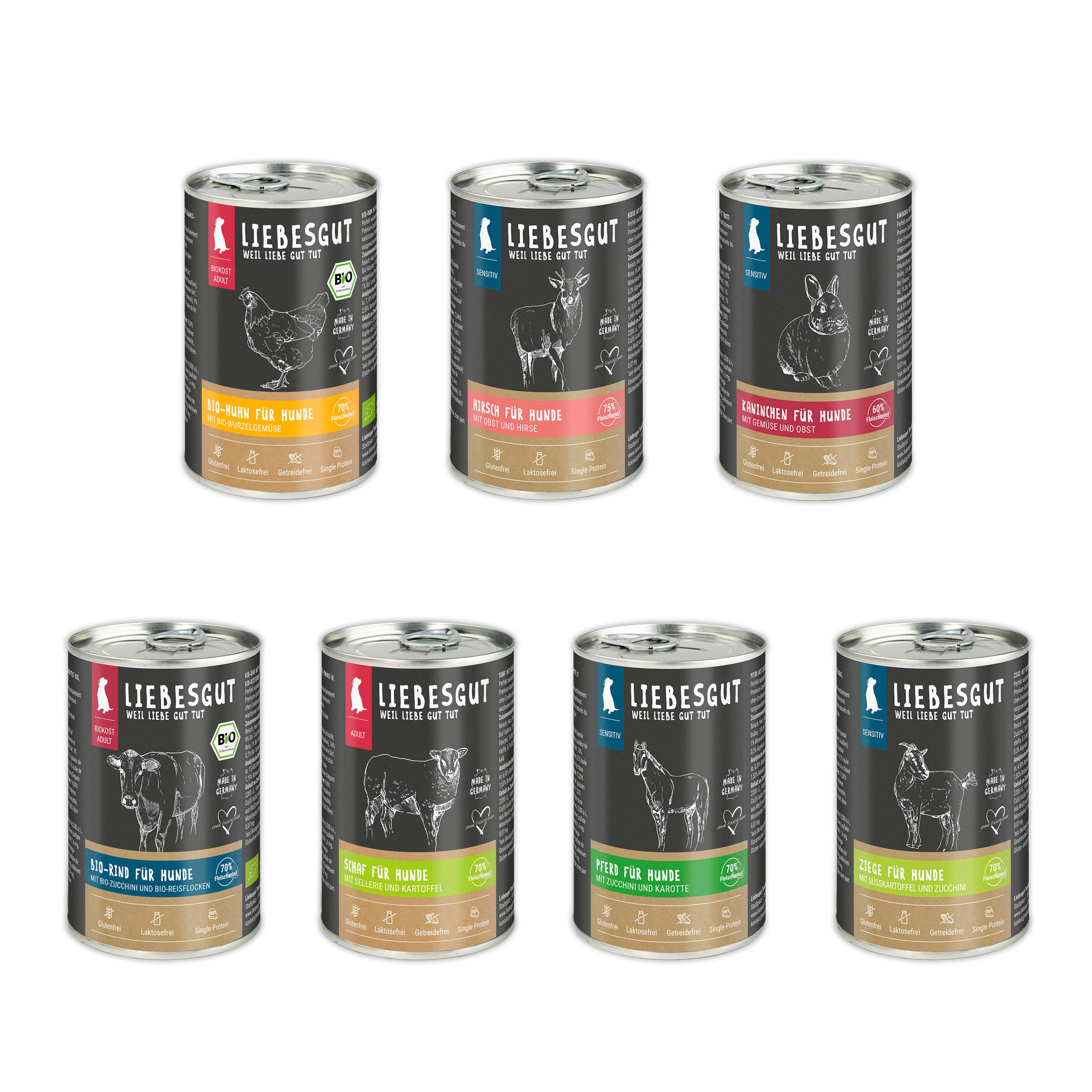
Adult & Sensitive dog food
Contents: 5.6 kg (€9.17* / 1 kg)

Adult & Sensitive dog food
Contents: 11.2 kg (€7.91* / 1 kg)

Adult dog food
Contents: 2.4 kg (€9.08* / 1 kg)

Adult dog food
Contents: 4.8 kg (€7.59* / 1 kg)
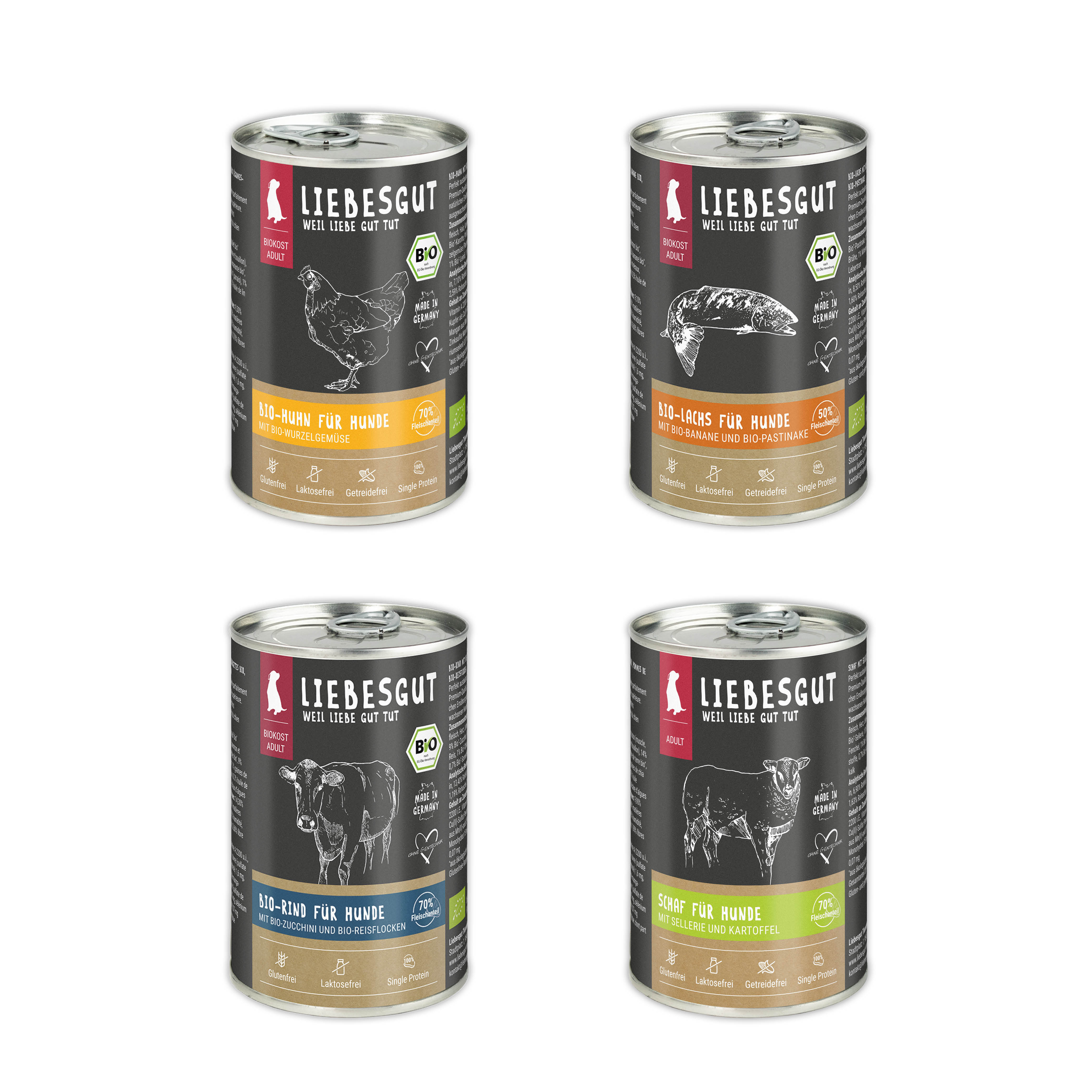
Adult dog food
Contents: 3.2 kg (€9.12* / 1 kg)

Junior dog food
Contents: 2.4 kg (€8.76* / 1 kg)

Sensitive dog food
Contents: 3.2 kg (€9.24* / 1 kg)

Sensitive dog food
Contents: 6.4 kg (€8.15* / 1 kg)

Adult dog food
Contents: 2.4 kg (€9.98* / 1 kg)
Frequently asked questions about "Dog eats grass"
My dog has swallowed soil, is that bad?
If your dog swallows some soil, it's not a big deal. However, you should pay attention to the eating behaviour: If your dog is frantic, pulls out large clumps of soil and eats it all, this could be a warning sign. If you notice other symptoms such as severe vomiting, diarrhoea or nervousness, you should definitely take your dog to the vet!
A blade of grass or lump hangs out of the anus when defecating. What should I do?
You can try to pull the blade of grass out very carefully and slowly. However, make sure you take your time when doing so. Blades of grass can be surprisingly sharp, similar to a sheet of paper. If you pull too quickly, you run the risk of cutting your dog, which can become infected. If a blade gets completely stuck or you notice that your dog is constantly trying to push, you should go straight to the vet.
Selected for You
Adult & Sensitive dog food
Contents: 16.8 kg (€8.69* / 1 kg)
Adult & Sensitive dog food
Contents: 19.2 kg (€8.70* / 1 kg)
Adult dog food
Contents: 7.2 kg (€8.60* / 1 kg)
Adult dog food
Contents: 14.4 kg (€7.19* / 1 kg)
Junior dog food
Contents: 7.2 kg (€8.30* / 1 kg)
Sensitive dog food
Contents: 9.6 kg (€8.75* / 1 kg)
Sensitive dog food
Contents: 19.2 kg (€7.72* / 1 kg)
Sensitive dog food
Contents: 4.8 kg (€8.74* / 1 kg)
Sensitive dog food
Contents: 2.4 kg (€9.73* / 1 kg)
Organic dog food Adult
Contents: 2.4 kg (€9.48* / 1 kg)
Organic dog food junior
Contents: 4.8 kg (€7.86* / 1 kg)
Organic dog food junior
Contents: 4.8 kg (€7.61* / 1 kg)
Organic dog food Adult
Contents: 4.8 kg (€7.61* / 1 kg)
Organic dog food Adult
Contents: 2.4 kg (€9.73* / 1 kg)
Organic dog food junior
Contents: 4.8 kg (€7.49* / 1 kg)
Sensitive dog food
Contents: 2.4 kg (€9.73* / 1 kg)
Adult & Sensitive dog food
Contents: 5.6 kg (€9.17* / 1 kg)
Adult & Sensitive dog food
Contents: 11.2 kg (€7.91* / 1 kg)
Adult dog food
Contents: 2.4 kg (€9.08* / 1 kg)
Adult dog food
Contents: 4.8 kg (€7.59* / 1 kg)
Adult dog food
Contents: 3.2 kg (€9.12* / 1 kg)
Junior dog food
Contents: 2.4 kg (€8.76* / 1 kg)
Sensitive dog food
Contents: 3.2 kg (€9.24* / 1 kg)
Sensitive dog food
Contents: 6.4 kg (€8.15* / 1 kg)
Adult dog food
Contents: 2.4 kg (€9.98* / 1 kg)